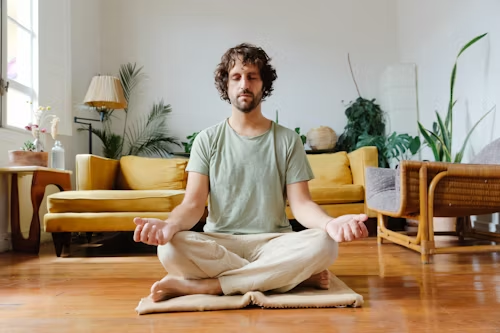
Tag: #MindfulLiving

  • Ultimate Health Priority  – Small Step, 5 Big Gains

    Health

    In a world wherein time is scarce and distractions are endless, the idea of overhauling your lifestyle to gain higher health can be overwhelming. We’re bombarded with severe fitness challenges, restrictive diets, and “overnight transformation” tales that set unrealistic expectations. But what if the secret to lasting wellness wasn’t discovered in drastic change, but in one small, intentional step?

    The fact is, real transformation starts now, not with a grand gesture, but with a single desire: to prioritize your health. And from that one selection, momentum builds. Small movements compound. Habits form. And earlier than you know it, you’ve made 5 powerful profits that increase your energy, mood, and usual high-quality of existence.

    Welcome to 1 Small Step, five Big Gains—a realistic, sustainable roadmap to unlocking your final fitness priority. This isn’t about perfection. It’s approximately development. It’s about deciding on yourself, one day at a time, and building a life wherein health isn’t an afterthought—it’s the inspiration.

    1. The Power of Small Steps

    Before diving into the five benefits, it is important to understand why small steps work so well. Human behavior is governed by stability, not intensity. Research in behavioral psychology suggests that small, repeated tasks are more likely to become habits than ambitious, short-term efforts.

    Think about it being a composite interest: for example, a small amount of money increases over time, a small healthy habit, for example, drinking an extra glass of water a day or walking for 10 minutes, your health can improve massively for weeks and months.The key is so small to start that it feels comfortable. When the habit is established, you will do it more naturally. This is how permanent changes happen – not on purpose, but with knowledge.

    So, what little step can you take today?

    This can be just as easy:

    1. Drink a glass of water when you wake up.

    2. Place a sugary snack with a piece of fruit.

    3. 5 minutes walk away after dinner.

    4. Before bedtime, write three things.

    Some of these small tasks can serve as an entrance point. From there, you will begin to experience wave effects – five major benefits that change body, mind, and lifestyle.

    2. Boosted Energy and Vitality

    One of the most immediate benefits of prioritizing your health is an increase in energy. Fatigue is one of the best complaints in modern society, often caused by poor sleep, processed diet, and a sedentary lifestyle. But when you make a slight change and add a daily trip or cut the late evening screen-then you begin to restore your natural rhythm.

    For example, being hydrated can have a dramatic effect on vigilance and focus. Dehydration as light as 2% can destroy cognitive function, mood, and physical performance. By being obliged to drink more water every day, you provide fuel to your cells that they need to effectively produce energy.

    Similarly, the movement, even light activity, increases blood flow, provides oxygen to your brain, and stimulates the release of endorphins. You don’t have to run a marathon to feel the effects. A 10-minute walk can clear the brain’s fog and raise the mood.

    When these little habits gather, you will see that you no longer pull through the day. You have more endurance for work, sports, and relationships. You will feel alive. And this vitality becomes a motivator in itself – when you are doing well, you are more likely to make a healthy alternative.

    In this way, a small step leads to a great advantage: steady energy that promotes all spheres in your life.

    Health

    3. Improved Mental and Emotional Well-Being

    Your health isn’t just physical—it’s deeply intellectual and emotional. Stress, anxiety, and occasional mood issues are regularly rooted in lifestyle factors that we can manage. And the best news? Small changes can have an oversized impact on your mental well-being.

    Take mindfulness, for example. Spending simply two minutes a day focusing on your breath can lessen cortisol (the stress hormone) and enhance emotional health. Over time, this exercise rewires your mind to respond greater flippantly to challenges.

    Or keep in mind journaling. Writing down your thoughts for 5 minutes each evening helps manage feelings, reduce rumination, and benefit clarity. It’s a simple addiction with profound psychological advantages.

    Even small acts of self-care—like turning off notifications after eight PM or setting a bedtime habit—can dramatically improve your mental fitness. When you honor your need for relaxation and limitations, you send an effective message to yourself: I depend. And as your intellectual readability improves, so does your decision-making. You’ll find it less complicated to resist junk meals, keep on with your goals, and display up as your first-rate self. This gain isn’t just about feeling less burdened—it’s about building resilience, self-belief, and inner peace.

    4. Sustainable Weight Management

    Many humans equate health with weight loss; however, proper well-being goes a long way beyond the scale. That said, when you consciousness on healthy conduct—not restriction—you frequently acquire a body composition that helps lengthy-time period power.

    The secret? It’s now not approximately intense diets or punishing exercises. It’s approximately consistency in small, effective choices.

    For example:

    1. Swapping soda for sparkling water saves loads of energy every week.

    2. Adding a serving of vegetables to each meal increases fiber and nutrients while feeling full.

    3. Going to bed 30 minutes earlier supports hormone balance, consisting of leptin and ghrelin, which regulate starvation.

    These micro-conductors don’t sense sensibly. They feel empowered. And over time, they lead to herbal weight stabilization, without the cycle of a yo-yo weight-reduction plan.

    Moreover, whilst you attention on health in preference to looking, your dating along with your frame improves. You prevent seeing food because of the enemy and movement as punishment. Instead, you view them as tools for feeling strong, capable, and energized.

    This shift in mindset is possibly the maximum effective benefit of all. It lets you keep a healthy weight now, not through strength of will, but through self-admiration and self-consciousness.

    5. Stronger Immune Function

    Considering the global health crisis and seasonal diseases, immune support has never been more important. Good news? Your immune system reacts strongly to lifestyle options, and small steps can make a big difference. Think about sleep. A night of poor sleep can reduce the activity of natural killer cells, which fight viruses and cancer. Committed to a steady sleep, even just 15 minutes ago, you give your body the time it needs to repair and defend itself.

    Nutrition also plays an important role. A single service with colored vegetables provides antioxidants and phytonutrients that support immune cells. By adding an extra vegetable to your plate every day, you build a strong defense system.

    Hydration, stress management, and regular movement also contribute to immune flexibility. This is not “immune-enhancing” hacks, the basic health permits that continue to work in your body are better.

    When you prioritize these little habits, you will see less cold, rapid improvement, and more general flexibility. Your body was designed to protect you when you provide the right support.

    Health

    6. Deeper Connections and Purpose

    Last – and perhaps the most unpredictable – than what is social and emotional fulfillment. When you improve your health, you don’t just feel better alone. You show better in your relationships.

    You have more patience with your partner. More energy to play with your kids. More appearance in conversation with friends. You want to stay around someone.

    In addition, take care of your health and feeling of purpose. You begin to see yourself as someone who gives significance to self-confidence, discipline, and development. This change in identity is strong – it affects any decision you make.

    And when you share your journey – maybe by inviting a friend to go with you or share a healthy recipe – you inspire others. Your little step becomes a wave, which encourages people around you to prioritize their health.

    This benefit is more than personal success. This is about contributions. It’s about living a life that seems meaningful, linked, and lively.

    7. How to Start: Your 1-Step Action Plan

    Now that you’ve visible the five large gains, it’s time to take action. Here’s the way to begin:

    Choose Your One Small Step. Pick one addiction that feels smooth and sustainable. It must be so simple that you couldn’t speak yourself out of it.

    Examples:

    Drink a pitcher of water while you awaken. Take a five-minute stroll after lunch. Eat one more serving of greens today. Put your smartphone away 30 minutes earlier than bedtime.

    1. Track It Daily

    Use a journal, app, or calendar to mark your progress. Visual reinforcement builds motivation.

    2. Celebrate Every Win

    Acknowledge your attempt, regardless of how small. Progress is progress.

    3. Let Momentum Build

    After 7–10 days, you’ll likely experience prepared to feature every other addiction. Let it come evidently—don’t pressure it.

    4. Focus on How You Feel

    Notice the gains: extra strength, better sleep, and improved mood. These are your genuine rewards.

    8. Real-Life Success: Stories of Small Steps, Big Gains

    Meet a 42-year-old teacher and mother of two. She was constantly tired and overwhelmed. His little step? A 10-minute walk every night after dinner. Within two weeks, she saw that she slept better. In week four, he started choosing healthy snacks. For three months, she had lost 8 kilos, her anxiety had reduced, and he felt more connected to her family.

    Or consider James, a software developer, who sat most of his days. One step in that? Drink a full glass of water at the beginning of each working hour. He remained hydrated, more often (to fill his glass and use the toilet), and gradually replaced soda with herbal tea. In six months, his energy increased, his focus improved, and he avoided a regular winter cold.

    These are not outrageous. They provide proof that small actions lead to major changes when consistency and self-compassion.

    9. Overcoming Obstacles with Grace

    No travel is without challenges. You can remember one day. You can feel discouraged. This is normal. The key is to respond with mercy, not criticism. When you slip, ask yourself:

    1. What did it trigger?

    2. What can I learn from this?

    3. How can I make my habit even easier?

    Remember that health is not about perfection. It’s about showing again and again how to take care of yourself.

    10. Your Health, Your Legacy

    Whatever you want today, he shapes the person you will be tomorrow. When you prioritize your health, you not only add years to your life, you add life over the years. You choose the opportunity to wake up with energy. To laugh independently. To move on without pain. To think clearly. To love deeply.

    And you set an example for your children, your colleagues, and your community. You show that health is not a luxury. This is right. A responsibility, a gift. So take a small step. Not because you have to do it, but because you deserve to feel the best.

    Because when you unlock your final health priority, you unlock your full potential.

    11. Final Thoughts: One Step, Five Lifetimes of Gains

    A dramatic overhaul is not necessary for a better health journey. It begins with a simple, intentional choice. From one step, you get energy, mental clarity, permanent weight management, strong immunity, and deep compounds.

    These are not just benefits – they are changes. And they are also available to anyone who wants to start small and be consistent. You don’t need much time. You don’t need much willpower. You just need to start .So ask yourself: *What is a small step for my *health today?

    1: Do small health habits really make a difference?

    Absolutely. Small habits create lasting change through consistency, not intensity. Drinking more water, walking 10 minutes a day, or adding veggies to meals may seem minor, but over time, they compound into big gains—more energy, better mood, and stronger immunity.

    2: What’s the best small step to start with?

    Choose something so easy you can’t say no—like drinking a glass of water when you wake up, taking a short walk after dinner, or putting your phone down 30 minutes before bed. The key is consistency, not complexity.

    3: What if I miss a day? Does it ruin my progress?

    Not at all. Progress isn’t about perfection—it’s about returning with kindness. One missed day doesn’t erase your efforts. Treat slips as learning moments, not failures, and keep moving forward.

  • Wellness is a Journey : Best 7 Transformative Steps, Not a Destination

    Wellness

    Wellness modern world bombards us with images of right bodies, innocent skin, and simple health performance. Feed in social media is filled with promises of first and after pictures, changing challenges, and quick reforms. But the truth about wellness is much deeper and beautiful than any marketing campaign. Wellness is not a trophy to be won or a finish line to cross – it is a constant, developed travel coming out through your life.

    Understanding that welfare is a trip instead of a destination, which is fundamentally how we see health and happiness. This perspective changes well-being to a stressful discovery of perfection, and grows into a kind practice for development, self-healing, and sustainable life. When we embrace welfare as a continuous process, we release ourselves from the disappointment of temporary reforms and instead grow permanent habits that nourish our minds, body, and soul.

    1. The Misconception of Wellness as a Destination

    Society frequently portrays wellbeing as something to reap—a selected weight, a particular health stage, or the absence of any fitness issues. This destination attitude creates unrealistic expectancies and sets us up for failure, while existence unavoidably gives challenges. We see celebrities who seem to have achieved perfect well-being and anticipate that after they attain that factor, happiness and health will follow automatically.

    However, this approach to health is essentially flawed. It treats fitness as a binary notion—you are both “nicely” or “ill”—instead of spotting the complicated, multidimensional nature of genuine well-being. This oversimplification ends in a yo-yo weight-reduction plan, severe exercising regimens, and a dangerous obsession with instantaneous consequences that ultimately undermine lengthy-time period wellness goals.

    The vacation spot mindset also creates a false experience final touch. When humans believe they have “arrived” at wellbeing, they frequently emerge as complacent and prevent the very practices that got them there. This leads to regression and may result in even worse health effects than when they started out on their well-being journey.

    2. The Beautiful Reality of Wellness as a Journey

    When we recreate welfare as travel, everything changes. Instead of focusing on a distant goal, we learn to appreciate daily practice, short victories, and gradual reforms that create permanent health. This travel-oriented approach to wellness emphasizes the stability of perfection, progress with perfection, and self-compulsion on self-criticism.

    The travel cement accepts that welfare looks different in different stages of life. A 25 -year -old welfare priorities will naturally vary from 55 -year -old people, and both are valid expressions of wellness. This understanding releases us from comparing our welfare journey with others and lets us focus on what our unique needs and circumstances require.

    Wellness

    3. Cultivate Self-Awareness and Mindful Living

    The first transformative step in understanding that well-being is a journey includes growing deep self-consciousness. This approach pays attention to how your frame feels, what energizes you, what drains you, and what virtually nourishes your mind, body, and spirit. Self-consciousness bureaucracy is the muse of authentic wellness because it permits you to make selections that align with your particular desires and values.

    Mindful residing enhances this self-cognizance by encouraging you to be found in each second of your well-being adventure. Instead of speeding through food, workouts, or day by day sports, mindfulness teaches you to appreciate experiences and word how they affect your overall well-being. This gift-second awareness helps you make extra informed choices about your well-being practices and comprehend whilst modifications are needed.

    Practice beginning each day with a quick check-in: How does your frame experience? What emotions are gifts? What electricity do you have got to have? This easy wellness ritual creates space for intentional dwelling and allows you to practice every day with greater readability and purpose.

    4. Embrace Progress Over Perfection

    Complete is the enemy of permanent welfare. When we capture impossible standards, we prepare for disappointment and often leave our welfare practices completely. The second transformative step involves letting perfection go and embracing the beauty of progress, no matter how small it is.

    From this perspective, this change transforms the welfare of the source to stress into a source of happiness. Instead of remembering a workout or beating yourself to eat something that doesn’t match your nutrition goals, you learn to celebrate your efforts and get back on track with compassion. This approach to wellness creates flexibility and creates a positive response loop that supports long-term success.

    Track your progress in ways that celebrate development instead of just focusing on results. Keep a wellness journal where you think you feel, new insights, and face the challenges you have passed. Improve the energy level, mood, sleep quality, and the general feeling of well-being. These subjective goals for well-being are often more meaningful than any number on a scale or training track.

    5. Develop Sustainable Habits, Not Temporary Fixes

    Wellness journey involves the transfer to sustainable habits from rapid improvement in the third transformative step. Crash diet, extreme exercise programs, and other short-term solutions can produce temporary results, but they rarely lead to permanent welfare. Real welfare is shown in consistent, manageable practices that you can maintain for years.

    Start it short and make it slow. Instead of overnight, you choose a welfare habit to focus on for a month. It can drink more water, walk daily, or lie down for 30 minutes in advance. When this habit is automated, you can add another welfare practice to your routine.

    Wellness

    6. Honor Your Body’s Wisdom and Natural Rhythms

    Your frame is noticeably wise, and learning to pay attention to its signals is vital for actual Wellness. The fourth transformative step includes growing accept as true with for your frame’s innate information and honoring its natural rhythms instead of preventing in opposition to them.

    This means being attentive to starvation and fullness cues, honoring your need for rest, and spotting whilst you need more or less activity. Wellness isn’t always approximately following inflexible rules imposed by way of outside resources; it’s approximately growing an intimate dating together with your body and gaining knowledge of what supports its most effective functioning.

    Hormonal fluctuations, seasonal changes, existence transitions, and strain all affect your frame’s wishes. A Wellness technique that honors these herbal variations is some distance more sustainable than one that demands consistency no matter the circumstances. Some days you may need intense exercise; on different days, mild stretching or whole rest is probably what your body calls for for most efficient Wellness.

    7. Create a Supportive Community and Environment

    Wellness thrives in the auxiliary environment and with the encouragement of equal ideologies. The fifth transformation stage consumes a society, and the environment deliberately nourishes your welfare journey instead of reducing it.

    This does not mean that they just surround themselves with those who have the same welfare goals or practices. Instead, it means that cultivation of relationships with those who support your development respects your choice and encourages your commitment to welfare. These conditions provide accountability, inspiration, and emotional support during challenging times on the welfare journey.

    Your physical environment also plays an important role in welfare. Make room in your home that promotes relaxation, movement, and healthy options. Create your kitchen with nutritious food, create a peaceful area for attention or reading, and make sure your bedroom supports quality sleep. These environmental modifications make welfare options easier and more automatic.

    8. Practice Self-Compassion and Emotional Wellness

    Emotional welfare is only as important as physical welfare, but it is often ignored in traditional approaches to health. The sixth transformative step includes developing self-compassion and prioritizing emotional welfare in the form of integrated organs in your welfare journey.

    Self-compassion means treating yourself with the same kindness and understanding that you want to offer a good friend. When you make mistakes on your welfare journey or face, face them with mild encouragement rather than hard self-criticism. This type of attractive approach creates flexibility and makes it easier to bounce back from challenges, and at the same time, maintain its commitment to welfare.

    Emotional welfare practice includes ironing, therapy, meditation, spending time in nature, and participating in creative activities. These practices help you treat emotions, gain insight, and develop emotional intelligence that supports general welfare. Remember that emotional treatment is part of the welfare journey, and when you grow and change, it is common to experience a series of emotions.

    9. Embrace Lifelong Learning and Adaptation

    The final transformative step in understanding is that wellness is a trip, including opening and optimization. When your circumstances change, your welfare is necessary, and when you gain a new insight about yourself and support your goodness.

    Be anxious about new welfare methods, research, and practice. Read books, participate in workshops, try new activities, and be open to developing wellness practice, as you learn and grow. This openness keeps your welfare journey fresh and attractive, while ensuring that your practices continue to serve you effectively.

    Adaptation is important for permanent welfare. The work done for you in your twenty-something state cannot serve you in your forty-fifty years, and that is perfectly normal. Wellness trips include regular insurance for your practice and adjustments as needed. This may mean changing the routine of your training, changing the nutritional approach, or transferring attention to different aspects of welfare in different stages of life.

    10. The Ongoing Adventure of Wellness

    Understanding that welfare is a journey instead of a destination, we change the approach to health and happiness. This perspective changes us from the pressure of perfection and invites us to embrace the beautiful, messy, constantly evolving process of our best being.

    Your welfare journey is unique, full of challenges, victories, and findings. By implementing these seven transformation stages-expanding self-awareness, embracing progress with perfection, developing sustainable habits, respecting the body’s intelligence, creating a supportive environment, practicing self-esteem, and embracing learning a lifetime, you will establish yourself for a perfection journey in your life.

    Remember that wellness is not about reaching an ideal situation, but is constantly growing, learning, and supporting your optimal welfare. Every little step you take, every wish you have done, and every moment of self-compassion you practice contribute to your welfare journey.

    1: What does it mean to view wellness as a journey instead of a destination?

    It means embracing health and well-being as an ongoing, evolving process rather than a fixed goal. Instead of chasing perfection or quick fixes, you focus on consistent, mindful progress, self-awareness, and sustainable habits that support lifelong vitality.

    2: Why is self-compassion important on the wellness journey?

    Self-compassion helps you stay resilient through setbacks. Rather than criticizing yourself for slip-ups, treating yourself with kindness fosters emotional well-being, reduces stress, and makes it easier to return to healthy habits with motivation—not guilt.

    3: How can I make wellness habits stick long-term?

    Focus on small, sustainable changes instead of drastic overhauls. Start with one simple habit—like daily walking or mindful eating—and gradually build on it. Pair habits with a supportive environment and community to increase consistency and joy in your journey.