Tag: #HealthOptimization

  • Health Scare: 8 Frightening Trends in Teen Mental Health Revealed

    Health Scare: 8 Frightening Trends in Teen Mental Health Revealed

    Health

    Introduction

    In recent years, a silent crisis has been unfolding in the back of closed doorways, inside classrooms, and across social media feeds. The intellectual fitness of our teenagers is deteriorating at an alarming rate. What became as soon as taken into consideration a section of mood swings and emotional turbulence is now being recognized as a complete blown health scare, with skyrocketing rates of hysteria, melancholy, self-damage, and suicidal ideation amongst adolescents. The trendy statistics paints a worrying photograph: one in 3 teens reviews continual feelings of unhappiness or hopelessness, and suicide has grow to be the second leading cause of dying amongst young people aged 10 to 24.

    This isn’t only a passing fashion; it’s a countrywide emergency worrying immediate attention. From digital overload to educational stress, from identification struggles to damage assist structures, multiple factors are converging to create an ideal hurricane for teenager mental health. In this text, we find 8 horrifying tendencies which might be reshaping the panorama of adolescent proper being and what parents, educators, and policymakers must do to reply before another era is misplaced.

    1. Skyrocketing Rates of Anxiety and Depression

    The maximum jarring fashion is the sheer scale of emotional distress affecting teens these days. According to the CDC, greater than 40% of high school college students expressed feeling constantly sad or hopeless in 2023 a pointy increase from preceding many years. Clinical diagnoses of anxiety problems have doubled since the early 2000s, and principal depressive episodes are actually not unusual instead of rare exceptions.

    Experts factor several culprits: the relentless tempo of current life, the erosion of face-to-face interplay, and the constant comparison subculture fueled by using social media. Teens scroll via curated spotlight reels in their peers’ lives, internalizing emotions of inadequacy and loneliness. The result? A technology emotionally beaten, frequently without the equipment to cope.

    What makes this disaster even more urgent is the shortage of well timed intervention. Many young adults suffer in silence due to stigma, fear of judgment, or certainly now not knowing where to turn. Even when they are seeking assistance, getting right of entry remains a chief barrier especially for households without adequate medical health insurance insurance for mental fitness offerings.

    Health

    2. Social Media: The Digital Pressure Cooker

    While technology has made incredible advances, its impact on adolescent psychology cannot be ignored. Platforms such as Instagram, Tiktok and Snapchat have become virtual battlefields for verification, where choices, comments and followers are equal to self values. Studies show that the use of social media is strongly correlated with poor sleep, low self-esteem and risk of depression specially among young girls.

    Worse, cyberbullying 24/7 has developed at risk. Unlike traditional bullying, there is no safe shelter after school. Painful messages, derogatory videos and public expression can spread in seconds, which can lead to permanent psychological brands. Research from the National Institute of Health found that cyberbulling victims have doubled the opportunity to try suicide compared to those who have not experienced online harassment.

    Despite increasing awareness, technology companies continue to engage for safety. Algorithms promote extreme content, increase harshness and tilt the teenager – all while parents struggle to monitor the use or set health boundaries.

    3. Rise of self loss and suicidal thoughts

    Perhaps the most cool indicator of this mental health crisis is self-realizable behavior and increase in suicide ideas. The hospital trip for non fatal even Chot among teenagers has increased dramatically over a decade back decades. The emergency room report sees more young patients than ever before, around 12 or 13 years old.

    LGBTQ+ suicide attempts are very high among young people, almost half of the reporting has made serious ideas to end life. Trans run teens are facing even more risks, often due to rejection, discrimination and lack of confirmation.

    These statistics aren’t just numbers, they represent real children in unimaginable pain.And yet, many schools still lack comprehensive mental health programs,and pediatricians are often unequipped to screen for or manage these conditions effectively.

    Health

    4. Academic Burnout and Perfectionism

    Today’s teens are under unique academic pressure. College entry is more competitive than ever, students feel compelled to excel in all field educators, sports, extra curricula often at the expense of their mental good.

    The pursuit of perfection has become toxic. Teenagers describe anxious, spacious failure and collapse of exhaustion while sleeping. Lack of sleep is furious, to complete the time limit with multiple victims or studies in late evening.

    It leads to chronic stress burnout, emotional, physical and mental fatigue conditions that mimic clinical depression. Still, instead of achieving compassion, many teenagers are asked to do “through push” or “hard work”. Message? Your value is related to your performance.

    Schools must be transferred from performance focused cultures to the welfare focused environment. This means rethinking homework, offering mindfulness training and normalizing mental health interactions.

    5. The Stigma Around Seeking Help

    Even when teenagers acknowledge that they are struggling, many hesitate to seek help. Why? Because mental illness is still a stain, a weakness, a deficiency or something so embarrassing for something.

    Especially boys to meet social expectations to be “hard” and suppress feelings.As a result, they are less likely to search medically until they talk about their feelings or until it is a crisis.In the meantime,there may be a lack of culturally skilled resources in immigrant families or communities with limited English skills or Western therapy can be complete distrust.Language barriers, misinformation and fear of exile inhibit access to further care.Breaking the stigma requires open dialogue, education and representation.When public figures share their mental health journey, it sends a powerful message:Treatment is possible and seeking help is brave.

    6. Inadequate access to mental health care

    One of the biggest systemic errors for addressing young people’s mental health is a serious lack of available, cheap treatment options.

    Just enough children and adolescent psychiatrists to meet demand. The weight loss for therapy can extend for months, and many private doctors do not accept insurance – to preserve average families ineffective.

    Also with health insurance, coverage for mental health services is often insufficient. High deductibles, limited supplier networks and restrictive regulatory requirements create obstacles at each turn. Some plans cover only a few therapy lessons per year, which is necessary for meaningful progress.

    Medicaid provides significant support for low -income families, but the reimbursement rate is so low that many suppliers refuse to accept it.Meanwhile, rural areas must meet strict lack of mental health professionals,  leaving entire communities underserved.Without major policy reforms and increased funding, millions of teens will continue to fall through the cracks.

    7. The Role of Family Dynamics and Isolation

    The house should be a sanctuary but for many teenagers it is a source of stress, misunderstanding or neglect. Divorce, financial stress, parents’ consumption or untreated mental illness in carers can deeply affect the emotional stability of a teenager.

    On the other hand, overprotective parenting or excessive control can also be a back factory, which makes the teenager feel self confident and are unable to handle challenges independently.

    Reducing this problem is a decline in family communication. Both parents often work longer and buried in units, meaningful interactions are rare. Food together, shared activities and emotional check in has become luxury instead of routine.

    Strong family bonds are one of the most protective factors against mental health crises. When teenagers hear love and support, they are far more flexible in front of adversity.

    8. Sluggish shade of epidemic

    While the acute phase of the epidemic may end, its psychologists can later especially for teens isolated, disconnected and frightened.

    The school’s closure disturbed the rituals of the route as learning, friendship and graduates and prom. Many teenagers lost their loved ones, so they lost their parents’ jobs or lived continuously in uncertainty.

    Now it is not easy to go back to “normal”. Social anxiety is widespread. It takes time to rebuild conditions. And for some left lockdown trauma deep emotional impressions that did not recover.

    Recovery after pandemic should include targeted mental health care in schools, extended Teletherapy alternatives and community-based outreach programs designed for especially youth.

    A Call to Action: How We Can Turn the Tide

    This health fear requires a coordinated response not only from health professionals, but also from parents, teachers, MPs and communities.

    First, mental health training should be integrated into school courses from an early age. The way we teach mathematics and science, we should learn emotional intelligence, fighting strategies and flexibility.

    Secondly, access to care must be improved. Policy makers must make justified health insurance coverage compulsory for mental health services, implement equity and invest more child psychologists and consultants to train.

    Third, technology companies should be held responsible. Age appointed design code, strict privacy rules and algorithm transparency can help make online places safe for teens.

    Fourth, parents need support. Representation of workshops on emotional literacy, digital welfare and communication skills Nutrition can strengthen the care to understand and guide their children better.

    Finally, we should listen to teenagers. Many times adults talk about their voices without including them. Young people can provide invaluable insight into the initiative, colleague Support Group and student Advisory Councils what young people really need.

    Conclusions: Hope is in the middle of the crisis

    Yes, the trends are scary. Yes, the games are tall. But there is also a reason for hope.

    Local communities are growing. Schools implement welfare programs. Telehealth extends access. Several teenagers talk and advocate for change.

    Mental health is no longer a taboo subject; it is a human rights issue, a public health imperative and a moral obligation.

    When we face these eight dangerous trends, we can create a future where each teenager sees, supported and valuable, alive, but prosperous.The time to act is now. Our children’s lives depend on it.

    1. What are the most common signs of mental health struggles in teens?

    Look for persistent mood changes, withdrawal from friends or activities, declining school performance, irritability, sleep disturbances, and talk of hopelessness or self-harm. Early recognition and open conversations can lead to timely support and intervention.

    2. How can parents help prevent teen mental health crises?

    Parents can foster emotional safety by listening without judgment, encouraging healthy routines (sleep, exercise, screen limits), promoting therapy when needed, and staying informed about their child’s digital life. Access to affordable care through health insurance also plays a critical role in prevention and treatment.

    3. Is social media really linked to rising teen anxiety and depression?

    Yes, research shows excessive social media use is strongly associated with increased rates of anxiety, depression, body image issues, and cyberbullying among teens. While not inherently harmful, unregulated use can amplify comparison, fear of missing out (FOMO), and exposure to toxic content.

  • Health Power: 7 Amazing Benefits of Mindfulness Every Woman Should Claim

    Health Power: 7 Amazing Benefits of Mindfulness Every Woman Should Claim

    Health

    Introduction

    In a world that never moves forward where e-post floods at midnight, social media requires continuous attention, and family responsibility piles up as night to night very few people are empty. The Chase of Balance is less about harmony and more about existence. But what if your energy, clarity and reconciliation are another productivity or time management app on the bus?

    Welcome to health power: Transformational power for mindfulness. Away from having just a trendy buzzword, mindfulness is a scientific backed practice that has intense benefits for mental, emotional and physical health. And for women, who report stress, anxiety and high levels of burnout compared to men, mindfulness is not just useful, it is necessary.

    This article should be claimed by every woman that every woman should claim how this ancient practice can bring revolution in modern life. From reducing chronic stress to improving sleep and even the results of the long term health care system, there are intelligent decisions about health insurance not self care. There is a quiet rebellion against self protection, authority and a culture that gives honor to the busy.

    1. Mindfulness Reduces Stress Like Nothing Else

    Stress is an epidemic in women. Whether it is a career, parenthood, careful or juggling of economic pressure, the cumulative effect takes a customs duty. Chronic stress does not just feel overwhelmed it triggers inflammation, weakens immunity and increases the risk of heart disease, depression and digestive disorders.

    Go into mindfulness. The study of Harvard Medical School and Mayo Clinic suggests that regular mindfulness reduces meditation cardiology primary stress hormones up to 30%. By focusing on the present moment without a decision, women train to distinguish the brain from reputation and terrible thinking.

    Imagine sitting quietly for ten minutes every morning, observing your breath, remembering the ideas as they occur, and coming back gently now. Over time, this simple task resumes the brain’s action on stress. You become less reactive, more flexible. Instead of stretching your child after a hard work call, you stop. breathe. Answer with intentions.

    This mental clarity also allows women to make better alternatives under pressure for example, undergoing health insurance options during open registration without nervousness or confusion. When you are calm, you can compare deductibles, understand the coverage network and choose adjusted plans with your real requirements not the bleak belief.

    Health

    2. Improved Emotional Regulation and Mental Clarity

    Women are frequently categorized “emotional,” however the fact is, feelings aren’t the hassle loss of law is. Mindfulness teaches emotional intelligence with the aid of growing space between stimulus and reaction.

    When you exercise mindfulness, you learn how to observe your feelings without getting swept away with the aid of them. Anger, disappointment, frustration they pass through like climate patterns inside the sky of your thoughts. This cognizance fosters compassion for yourself and others.

    A landmark look posted in JAMA Internal Medicine determined that mindfulness based cognitive remedy (MBCT) changed into as powerful as antidepressants in preventing relapse in humans with recurrent melancholy. For ladies navigating postpartum demanding situations, perimenopause, temper swings, or place of work discrimination, this form of emotional balance is revolutionary.

    And while your thoughts are clear, choice making improves dramatically. Choosing the proper medical insurance plan requires knowing how complex phrases like co will pay, out-of-pocket maximums, and pre-authorizations. A cluttered, stressful thoughts may default to the most inexpensive option. A conscious lady reads the first-class print, asks questions, and selects a policy that definitely protects her and her circle of relatives.

    3. Enhanced Sleep Quality for Restored Energy

    Insomnia affects nearly one in four women double the rate of men due to hormonal fluctuations, anxiety, and overstimulation.  Poor sleep ends in fatigue, weight advantage, poor concentration, and weakened immunity.

    Mindfulness directly combats insomnia. Techniques like body scans, breath recognition, and loving-kindness meditation calm the anxious gadget and sign protection to the brain. Research from the University of Southern California determined that participants who practiced mindfulness meditation fell asleep faster and stayed asleep longer.

    One effective ordinary: lie in a mattress and slowly convey attention to every part of your frame from ft to scalp liberating anxiety with each exhale. Within minutes, the racing mind gradually descends. The thoughts surrender to relaxation.

    Better sleep means greater strength for everyday lifestyles and extra stamina to improve your health. A well-rested female has the presence of thoughts to document claims, observe up with insurers, and make certain her health insurance covers preventive screenings like mammograms or pap smears. She doesn’t allow office work to slip through the cracks due to the fact she’s too exhausted to care.

    Health

    4. Stronger Immune Function and Faster Healing

    You might not think of mindfulness as a medicinal drug, however your immune device absolutely does. Groundbreaking research from the University of Wisconsin Madison confirmed that eight weeks of mindfulness meditation expanded antibody manufacturing in response to flu vaccines proof that mental education boosts biological protection.

    Why?Because continual pressure suppresses immunity.Mindfulness reverses that.By decreasing inflammation and improving cellular repair, it helps the body combat infections, heal wounds, or even control autoimmune conditions.

    For girls dealing with persistent illnesses like lupus, fibromyalgia, or endometriosis, this is lifestyle converting. Mindfulness received’t cure disorders, but it creates inner conditions where recovery can thrive. And while you’re actively engaged in your wellbeing journey, you’re much more likely to apply your medical health insurance benefits accurately scheduling everyday take a look at-ups, getting access to experts, and exploring integrative treatments included below your plan.

    5. Greater Self Compassion and Body Acceptance

    Society bombards women with not possible requirements of splendor, achievement, and perfection. The result? Widespread self-complaint, low shallowness, and disordered ingesting.

    Mindfulness interrupts this cycle by cultivating self compassion. Instead of judging your body for “not being enough,” mindfulness invites you to be aware of sensations without labeling them accurate or awful. You learn how to admire your frame no longer for the way it appears, however for what it does carrying you through existence, respiration, healing, loving.

    Dr. Kristin Neff, a pioneer in self-compassion research, determined that girls who practiced mindfulness mentioned higher frame pride and decreased rates of binge ingesting. They were also much more likely to engage in healthful behaviors now not out of punishment, but out of respect.

    This shift in mindset extends to healthcare. A woman who values herself is less likely to skip doctor visits due to shame or fear.She uses her health insurance proactively, knowing she deserves care. She advocates for pelvic exams, mental health counseling, and nutritional support not as luxuries,but as rights.

    6. Improved Focus and Productivity Without Burnout

    We stay in a multitasking fable. The mind doesn’t without a doubt multitask; it switches rapidly among obligations, draining power and increasing mistakes. Women, particularly operating mothers, are anticipated to excel in a couple of roles simultaneously, leading to mental exhaustion.

    Mindfulness rebuilds attention like a muscle. Through centered awareness practices, you toughen the prefrontal cortex the brain vicinity liable for awareness, planning, and selection-making.

    An examination at the University of Washington found out that personnel who underwent mindfulness training stayed on challenge 20% longer and reported much less mental fatigue. Imagine completing a challenge without distraction, completing bedtime workouts without autopilot, or having an actual communique together with your companion rather than mentally drafting the following day’s to-do list.

    With sharper recognition, administrative tasks like comparing medical insurance plans emerge as doable. You don’t need hours of scrolling, you examine options correctly, pick out the excellent suit, and move on. No overwhelm. No procrastination.

    7. Deeper Connections and Healthier Relationships

    Loneliness is a silent public health crisis. Despite being hyper related online, many girls feel emotionally remote. Mindfulness complements relational health through fostering presence, empathy, and lively listening.

    When you’re absolutely gifted with someone putting down your cellphone, making eye contact, paying attention to understanding in preference to reply, you create intimacy. Mindfulness allows dissolve defensiveness, reduce war, and deepen bonds with partners, youngsters, friends, and even coworkers.

    This emotional availability also strengthens patient-company relationships. An aware girl communicates truly along with her doctor, stocks signs and symptoms simply, and recalls scientific advice. She is more likely to ask, “Does my health insurance cover this specialist?” Or “Can we find alternative treatment in our network?”

    She becomes a partner in her care not a passive recipient.

    Require your health power today

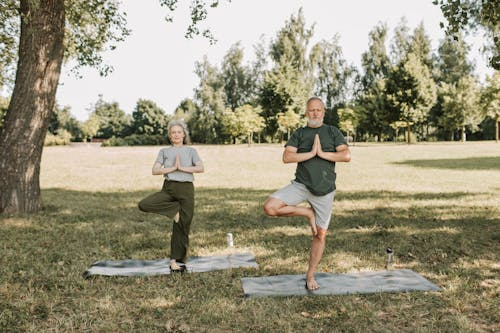
    There is no mindfulness enlightening or the cross -people sitting for hours. It’s about the small, consistent appearance: Stop before reacting, tasting a cup of tea, breathing three deep breaths in the car before going to the house.

    Start with just five minutes a day. Use directed apps such as Insight Timer or Cool. Try mindful walking, ironing or yoga. Notice how stress, how your relationship to your body and your thoughts begin to change.

    And as you grow in consciousness, let that power grow up to all aspects of your life – where you control your health care system. Use mindfulness to contact health insurance with calm confidence. Read the documents slowly. Ask questions. Take help when needed. Your goodness not only depends on doctors and medicines, but also informed, strong alternatives.

    Reduced mindfulness stress, emotional balance, better sleep, strong immunity, self love, fast focus and 7 benefits of deep compounds are not the ideal ideal. They are available to every woman who dares to breathe, breathe and say: I talk.

    In a society that rewards speed and sacrifice, choosing mindfulness is radical. It is a function of resistance. Value statement. Receive a rebuilding of health power.

    Because today you can do the most powerful work for your health.Nothing is there. Just be.

    Q: How long does it take to see the health benefits of mindfulness?

    A: Many women notice reduced stress and improved focus within just 2–4 weeks of practicing mindfulness for 5–10 minutes daily. With consistent practice, benefits like better sleep, emotional balance, and increased mental clarity deepen over time making it a powerful tool for lifelong health power.

    Q: Can mindfulness help with anxiety and hormonal mood swings?

    A: Absolutely. Mindfulness calms the nervous system, reduces cortisol levels, and enhances emotional regulation. For women navigating PMS, perimenopause, or daily stress, it’s a natural, proven way to regain control and protect mental well-being without medication.

    Q: Do I need special training or apps to start?

    A: Not at all. While apps like Calm or Headspace can help, mindfulness can be as simple as focusing on your breath, savoring a meal, or walking without distractions. The key is consistency not complexity. Start small, stay present, and claim your amazing health benefits today.

  • Health Triumph: 10 Powerful Steps to Conquer Chronic Pain Naturally

    Health Triumph: 10 Powerful Steps to Conquer Chronic Pain Naturally

    Health

    Introduction

    Chronic pain affects more than 50 million Americans, silently eroding the quality of life, disrupting sleep, emphasizes conditions and reduces productivity. Unlike acute pain which acts as a warning signal for injury lasting chronic pain for several months or years, often without a clear reason. Emotional tolls are disastrous as a physical strain, causing anxiety, depression and a sense of helplessness. But there is good news here: You don’t have to be in constant disadvantage. I have hope. Is power. And the most important thing is that there are natural, proven strategies that can give birth to real therapy.

    Welcome to the victory of your health, a journey to your body, your energy and rebuild your life. It is not about masking symptoms with pills or surrendering to infinite medical visits. This is about change. These 10 powerful steps will guide you through general, science -supported methods, which without relying on without relying on the drugs to gain chronic pain naturally. And yes, when we talk about solutions, we also address how we can reach health insurance care, cover alternative funds and protect your financial well being.

    Step 1: Understand the Root Cause (Not Just the Symptom)

    The first step to overcoming continual ache is moving from symptom control to root reason decision. Too many humans receive ache as “regular” after an injury or prognosis like fibromyalgia, arthritis, or sciatica. But ache is a message no longer a lifestyle sentence.

    Start with the aid of asking: What brought about this? Was it poor posture, repetitive pressure, emotional trauma, inflammation, or nutritional deficiency? Work with integrative doctors, useful medicine practitioners, or bodily therapists who dig deeper than wellknown imaging tests. Blood paintings, food sensitivity panels, and biomechanical tests can monitor hidden culprits.

    And right here’s wherein medical health insurance turns into a recreation changer. While some advanced diagnostics won’t be absolutely protected, many plans now consist of preventive screenings and lab checks vital for identifying underlying conditions. Don’t hesitate to name your company and ask what’s covered under “preventive care” or “persistent condition control.” Knowledge is power, and understanding your insurance empowers smarter selections.

    Step 2: Harness the Power of Anti Inflammatory Nutrition

    You are what you consume and if you’re eating processed meals, refined sugars, and trans fats, you’re fueling inflammation, the silent engine at the back of continual ache.Adopt an anti inflammatory eating regimen rich in leafy greens, fatty fish (like salmon), berries, nuts, olive oil, and turmeric. Eliminate or notably reduce sugar, gluten (if touchy), and commercial seed oils. Studies display that diets just like the Mediterranean or autoimmune protocol (AIP) can notably reduce joint pain, muscle stiffness, and nerve discomfort.

    One powerful meal merits special mention: turmeric. Its lively compound, curcumin, has been proven in scientific trials to rival ibuprofen in decreasing osteoarthritis ache without the gut harm. Combine it with black pepper for better absorption and make it part of your every day ritual.

    While grocery costs may also upward thrust barely, think of it as investing in lengthy-time period fitness triumph. Some medical insurance plans even offer wellbeing incentives or reductions on nutrition counseling. Take a look at if yours does!

    Health

    Step 3: Move with Purpose, Exercise as Medicine

    It may additionally appear counterintuitive, however movement is one of the only pain relievers. Sedentary life gets worse stiffness, weakens muscles, and decreases stream all of which extend pain indicators.

    But now not all exercise is the same. Low effect activities like taking walks, swimming, yoga, and tai chi enhance flexibility, support supportive tissues, and launch endorphins from your frame’s natural painkillers. A landmark examination published in JAMA Neurology found that sufferers with chronic pain who practiced yoga twice weekly stated 40% much less ache after just 12 weeks.

    The key’s consistency and gentleness. Start slow. Listen for your body. Push gently but by no means through sharp ache. Consider working with a bodily therapist, particularly one skilled in ache neuroscience schooling. Many health insurance rules cover bodily remedy periods, on occasion up to twenty visits per year. Use them wisely; they’re a bridge to lasting remedy.

    Health

    Step 4: Master Your Mind, The Pain Stress Connection

    Pain isn’t simply bodily, it’s neurological and mental. The brain approaches emotional strain and bodily pain in overlapping areas. Anxiety, trauma, and unresolved grief can literally expand ache signals, developing a vicious cycle.

    This is wherein mind-body techniques shine.Practices like mindfulness meditation, deep respiratory, and cognitive behavioral therapy (CBT) retrain the brain to interpret pain in a different way. Research from Harvard Medical School suggests that mindfulness based pressure discount (MBSR) can reduce persistent pain depth by using up to fifty seven%.

    Try this easy breathwork practice: Inhale for 4 counts, maintain for four, exhale for six. Repeat for five minutes each day. Over time, you’ll calm the worried system and decrease the “volume” of pain.

    Some health insurance carriers now cover mental health services, including CBT and teletherapy.If you’re battling chronic pain, these benefits are not optional, they’re essential. Advocate for yourself.Use your plan.

    Step 5: Prioritize Sleep, Nature’s Healer

    Sleep occurs when the body’s repair tissue is damaged, resets hormones and cleans inflammatory waste from the brain. Nevertheless, chronic pain often interferes with sleep, and poor sleep accelerates pain in a destructive loop.

    Break the cycle by adapting sleep hygiene.Go to bed and get up every day at the same time. Avoid the screen one hour before bedtime.Keep your bedroom cool, dark and cool. Think of the magnesium glycine or spicy cherry juice to support natural melatonin production.

    If there is a suspicion of sleep apnea or restless petrol syndrome, test. Many health insurance plans cover sleep studies. It is important to diagnose conditions that reduce the rest and poor pain.Remember: Every night of quality sleep is a step towards the health of the owner.

    Step 6: embrace natural means,acupuncture, massage and more

    Alternative treatments are not “fringes”-they have frontline tools in pain management. For example, acupuncture has been supported by the American College of Physicians to treat chronic lower back pain.It works by stimulating nerves, muscles and connective tissue, promoting blood flow and triggering endorphins.Massage therapy reduces muscle tension, improves circulation and reduces cortisol (stress hormone). Cairopractic care can correct the spinal cord that contributes to nerve compression.

    The best part? The increasing number of health insurance schemes now include coverage for these services. Check your policy for conditions such as “supplementary care,” “manual therapy” or “acupuncture advantage”. Even partial coverage can make these powerful treatments available.

    Step 7: Optimize Vitamin D and Magnesium Levels

    The disadvantages of large nutrients are fantastic mangoes and are directly associated with chronic pain. Vitamin D controls immune function and inflammation. Low levels are associated with fibromyalgia, migraine and muscle and skeletal pain. Magnesium supports nerve function, muscle discounts and energy production.

    Test your levels. The ideal vitamin D should be between 40-60 ng/ml. For magnesium, look at RBC magnesium, not serum more accurately. Grants, under medical guidance, can achieve dramatic results.Some health insurance plans cover annual blood panels use them. Prevention is much cheaper than treatment.

    Step 8: Build a support system, you are not alone

    The pain is separated. It cancels your planning, avoiding interaction and feels like a burden. But healing flourishes in connection.Join an auxiliary group for people with chronic pain or individuals. Share your story. Listen to others. ‘You will receive practical suggestions, emotional confirmation and renewed hope.Studies show that social support improves pain tolerance and general welfare.Encourage loved ones to know about your situation. Teach them – not to pity you, but to go next to you.

    Participation with many health insurance networks Social health programs offer free or low cost support groups. Explore welfare resources in your plan.

    Step 9: Reduce Toxin Exposure, Clean Living for Clear Healing

    Environmental pollution observed in plastics, cleansing merchandise, pesticides,and private care items can disrupt hormones, cause infection, and sensitize the anxious system.Switch to glass packing containers, natural produce, and non-toxic family cleaners.Filter your water and air.Choose fragrance-unfastened skin care.

    Your body wasn’t designed to procedure synthetic chemical compounds. Reducing publicity offers your detox pathways a spoil and lets in restoration to boost up.

    While this step doesn’t involve medical health insurance immediately, don’t forget it is a form of self coverage protecting your future health earlier than sickness takes root.

    Step 10: Create a Personalized Pain Plan, Your Roadmap to Freedom

    Finally, integrate everything into a customized, sustainable plan.Track your progress with a pain journal. Note triggers, enhancements, sleep great, and temper.

    Work with a crew: number one care doctor, physical therapist, nutritionist, and intellectual fitness counselor. Coordinate care. Be proactive.

    And always, always evaluate your medical health insurance advantages. Know what’s blanketed bodily therapy, lab checks, mental fitness visits, alternative care. Appeal denied claims. Ask for case managers. Use every aid available.

    Because this isn’t just about dealing with pain. It’s about conquering it.

    The Final Word: Your Health Triumph Is Within Reach

    Chronic pain does not define you. This is a challenge one that millions have crossed with courage, knowledge and endurance. These 10 powerful stages are not rapid improvements. They upgrade a lifetime of how you walk, eat, think and live.

    Yes, effort is required to travel. But imagine waking up without hardness. Go without a win. Laugh without guarding your back. This is not fantasy, this is a healthy owner.

    And remember: You don’t have to do it alone.Your body will fix. Your mind can adapt. And your health insurance? This is not just one card in your wallet, it is a tool for empowerment. Use it with care. Fight for coverage. Require better care.

    Because real health is not the absence of pain. It is the presence of vitality, joy and freedom. Start today. Take a step. Then another.Your victory begins now.

    1. What causes chronic pain?

    Chronic pain often stems from conditions like arthritis, nerve damage, or past injuries, but can also be influenced by stress, inflammation, and lifestyle factors.

    2. Can natural methods really relieve chronic pain?

    Yes, lifestyle changes, movement, diet, and mind body practices have been shown to reduce pain and improve quality of life without relying solely on medication.

    3. How long until I see results with natural pain relief?

    Results vary, but many people notice improvements within a few weeks of consistent changes like gentle exercise, anti-inflammatory eating, and stress reduction.

  • Health Warning: 5 Shocking Risks Lurking in Everyday Kids’ Products

    Health Warning: 5 Shocking Risks Lurking in Everyday Kids’ Products

    Health

    Introduction

    Each parent wants the best for their child PF toys, nutritious food, clean clothes and a nutritional environment. Still, hidden threats can be hidden in the usual sight of the products we use every day. From the child’s bottles to the school supply, the objects that are marketed as “child safe” can sometimes pose serious health risks. As caution, we rely on labels and marks, but disruptive truths emerge about everyday children’s products that can compromise the child’s good.

    In this eye opening article, we will highlight the five shocking risks leaning in normal children’s products scientific research and supported by regulatory warnings. Even more important is that you want to learn how to protect your family and why there is no extensive health insurance. It is not only an economic security, but is an important defense layer due to unexpected medical emergency conditions due to the risk to the product.

    1. Toxic Chemicals in Plastic Toys and Baby Bottles

    Plastic toys, sippy cups and baby bottles often contain harmful chemicals such as phthalates and bisphenol A (BPA).These endocrine coronating compounds mimic hormones in the body and have been associated with developmental delays, behavioral problems and even long-term reproductive problems.

    U.S. Environmental health perspective magazine published findings, and shows that the performance of the early life of these chemicals is related to the growing risk of ADHD and autism spectrum.

    Even more worrying? Many toys imported from areas with relaxed rules can lead to lead or cadmium irreversible brain damage in young children. The 2023 report from the Environmental Working Group (EWG) found that more than 30% of children were tested on plastic toys, which included uncertain levels of chemical additives.

    What can you do:

    Opt-Men Continue to BPA-free, phthalate-free labels.Choose toys made of wood, silicone or stainless steel. Always check for recall lists from Consumer Excise Safety Commission (CPSC). And if your child shows symptoms of developmental delay or overdose, you can contact a pediatrician immediately. This is the place where health insurance becomes a significant objective diagnosis and medically dramatically can improve the results, and coverage ensures the costs without pocket without crippling.

    2. Flame Retardants in Children’s Clothing and Crib Mattresses

    Many parents believe that flame-resistant pajamas and cradle mattresses are safe when fulfilling federal flammability standards. However, chemicals for example, polybrominated diphenyl ethers ((PBDEs) raised red flags between toxologists.

    These flame retardations are not laid. They participate in house dust, as children creep or swallow or swallow while playing on the floor. Research of the Journal of Exposure Science and Environmental Epidemiology suggests that toddlers have five times more concentrations of PBDE in the blood than adults due to hand behavior and developing metabolic systems.

    Long term exposure is associated with low IQ, thyroid dysfunction and delayed motor development. Worse, some of these chemicals remain in the environment and human body for years.

    What can you do:

    Look for clothes with “tight-fitting” marks instead of flame-retardant tight PJs that are less flammable with design and do not require chemical treatment. For the mattress, select the Option Organic Cotton or Wool certified by GOTS (Global Organic Textile Standard). Think of HEPA air purifiers to reduce indoor toxin loads. If your child develops unexplained fatigue or cognitive problems, covered by health insurance can quickly capture the right clinical test problems through a pediatric neurologist.

    Health

    3. Hidden Allergens in School Supplies

    Back-to-faculty buying appears innocent till you recall what’s inside those brightly colored crayons, glue sticks, and markers. Studies conducted by using the Campaign for Safe Cosmetics discovered that many famous college resources include perfume allergens, formaldehyde-liberating preservatives, and unstable natural compounds (VOCs).

    For instance, scented erasers and markers might also consist of synthetic fragrances related to allergies, assaults and pores and skin rashes. Glues containing formaldehyde donors can trigger respiratory misery in touchy youngsters, especially those with pre-existing conditions like eczema or hypersensitive reactions.

    A 2022 study posted in Pediatrics stated a 40% boom in college-based totally allergic reaction incidents tied to artwork components over the past decade. Teachers and parents alike at the moment are advocating for “non-poisonous lecture rooms,” urging faculties to undertake inexperienced-licensed materials.

    What You Can Do:

    Choose elements labeled “AP Certified Non-Toxic” (accepted through the Art and Creative Materials Institute).Avoid something with strong chemical smells.Keep an EpiPen on hand in case your child has known hypersensitive reactions and make certain your medical health insurance covers emergency remedies, expert visits, and prescription medicinal drugs. Anaphylactic reactions can occur fast, and well timed care saves lives.

    Health

    4. Heavy Metals in Fruit Purees and Toddler Snacks

    One of the most heartbreaking revelations in recent years came from the congressional’s investigation, which highlights the dangerous levels of arsenic, lead, cadmium and mercury in popular baby food. Marketed brands in the form of “organic” and “nutritious” were incorporated by heavy metals at higher levels than the safety limits set by the FDA.

    Rice -based grains and fruit puree were especially problematic. Rice absorbs lighter arsenic than soil and water, making it an ingredient with high risk of infants whose bodies still develop. Chronic exposure even at low levels can reduce brain growth and IQ points can occur permanently.

    The American Academy of Pediatrics now recommends limiting rice grains and limiting Baby’s diets with OT, barley or quinoa-based options.

    What can you do:

    Read carefully. Turn the grains and avoid rice products with a clock daily. Choose a transparent brand of third party testing, such as FDA’s “near zero” initiative. If your child undergoes blood tests and is detected by elevated metal levels, deception therapy or nutritional intervention may be recommended treatments that may be expensive without adequate health insurance coverage.

    5. Misleading Labels and Unregulated Supplements

    The complement market for kids is booming from gummy nutrients to immunity boosters and consciousness enhancing powders. But here’s the dark reality: the FDA does no longer adjust nutritional dietary supplements the same way it regulates drugs. That method has no mandatory pre-market safety trying out, and claims on labels aren’t usually backed through technology.

    Some youngsters’s multivitamins include immoderate doses of fat-soluble nutrients like A and D, that can accumulate to toxic tiers. Others include undeclared allergens or stimulants like caffeine disguised as “herbal power blends.” In 2021, the FDA issued warnings to numerous groups promoting melatonin gummies with wildly inconsistent dosages, a few delivering as much as five times the classified quantity according to serving.

    Overdoses in young kids can result in seizures, abnormal heartbeats, and hospitalization.

    What You Can Do:

    Stick to legit brands with 1/3-celebration certifications like USP or NSF. Avoid dietary supplements with pointless components or exaggerated claims like “miracle focus fix.” Always consult your pediatrician earlier than starting any routine. And if your infant finally ends up in the ER due to accidental ingestion, medical health insurance guarantees you’re not burdened with tens of hundreds in emergency room costs, commentary remains, or observation-up care.

    Why Health Insurance Is Your Child’s Silent Guardian

    While vigilance at home is necessary, no parents can guess any risk. Accidents occur. It is exposure. And sometimes symptoms do not appear until months or years later.This is the place where health insurance becomes a lifeline at monthly cost.

    Imagine that the child’s discovery has lifted the management level after eating polluted snacks. Treatment may include frequent blood tests, nutrition consultation, development screening and possibly therapy all services that quickly add. Without insurance, families meet more than $ 8,000 average cost for pocket per year for old status management.

    Or consider a child admitted due to an allergic reaction from school supply. Preparedness, ambulance trip and observation overnight can easily cross $ 15,000. With a solid health insurance scheme, these costs are significantly reduced or completely eliminated.

    In addition, preventive care covered under most schemes including annual check, vaccination, vision and hearing samples, doctors quickly detect micro-changes. Initial intervention leads to better results, minor complications and less emotional and economic stress on the families.

    Don’t wait for a crisis to realize the value of security. Whether you are an employer-prone scheme, nominated in Medicaid or acting through the health insurance market, to ensure that your child is covered is one of the most powerful love actions you can give.

    Last idea: Knowledge is power protection is precious

    Our children are older, full of convenience, innovation and marketing promises. But there are threats hidden under cheerful packaging and bold claims that all loving parents should not meet alone.Understanding five shocking risks in everyday children’s products from toxic toys to seized snacks you take the first step toward building a safe house. You become an informed lawyer, authorized to demand openness and make smart alternatives.

    But alone is not enough knowledge. Come from a combination of awareness with real security action: choosing safe products, demanding strict rules and providing reliable health insurance that stands between your child and the disaster.Let it be a wake-up call-not to stay in burr, but to work with courage and clarity. Because each child is not just the right to a healthy start, but a protected future.

    Take hold today:

    Revision your home for risky products using the CPSC and EWG database

    Switch to non wheel, certified safe options

    Determine a pediatric welfare trip to assess the child’s current health condition

    Review the Health Insurance Policy you insure you.The child’s health is very valuable for gambling. Be careful about being informed and being insured.

    1. What are common harmful chemicals in children’s products?

    Phthalates, BPA, lead, formaldehyde, and flame retardants are often found in toys, baby lotions, and plastics linked to developmental and hormonal issues.

    2. How can I protect my child from toxic products?

    Choose certified non toxic, BPA free, and phthalate-free items; check labels, opt for natural materials, and buy from reputable brands.

    3. Are “natural” labeled kids’ products always safe?

    Not always. Some still contain irritants or misleading claims. Always read ingredient lists and look for third party safety certifications.

  • Health Mastery: 12 Ultimate Secrets for Long Lasting Vitality

    Health Mastery: 12 Ultimate Secrets for Long Lasting Vitality

    Health

    Introduction

    In a world where stress, sedentary lifestyle and processed foods dominate the daily routine, real health may seem like an inaccessible dream.Still, long life and vitality are not just reserved for people with genetically blessed or elite well being. The mystery lies in consistent, science based habits that nourish your body, mind and soul. This article reveals 12 final mysteries for long lasting vitality which are dietary trends and exercises beyond the dose of miracles.

    From sleep adaptation to mastery in emotional flexibility, these strategies form the basis for lifelong health. And yes when personal habits mean something, is a frequent unseen column with constant welfare health insurance, an important protection that ensures that you can act on symptoms before crises.

    1. Prioritize Sleep Like Your Life Depends On It (Because It Does)

    Sleep isn’t simply downtime, it’s while your mind detoxifies, muscular tissues repair, and hormones rebalance.Chronic sleep deprivation will increase dangers for heart disease, diabetes, depression, and weakened immunity. Aim for 7–nine hours of satisfactory sleep nightly.Create a ritual: dim lighting fixtures an hour earlier than bed, avoid monitors, and maintain your bed room cool and darkish. Consider using white noise machines or weighted blankets in case you warfare with restlessness.

    Remember, terrible sleep doesn’t simply go away you groggy it chips away at your lengthy time period vitality. And without right restoration, even the quality weight reduction plan and exercising plan will fall short.

    2. Move With Purpose Every Single Day

    Exercise isn’t about punishing workouts or chasing six-% abs. True vitality comes from movement that sustains characteristic and joy. Incorporate a mix of power training, cardiovascular activity, and flexibility paintings. Walking half-hour a day reduces mortality chances by as much as 34%. Add resistance schooling two times weekly to keep muscle mass, which obviously declines after age 30. Try dancing, swimming, or yoga activities that construct persistence whilst reducing joint strain. The key? Consistency over intensity. When motion turns into a non negotiable part of your routine, strength stages leap, mood improves, and getting older slows.

    Health

    3. Eat Real Food, Not Labels

    The modern grocery store “Low Fat”, “Sugar Unfasted” and “Garhwale” is a maze of goods that promise fitness, even though it provides confusion. Awareness of complete, unprotected miles: greens, collection, legumes, nuts, seeds, lean proteins and healthy fats such as avocado and healthy fat. These foods provide significant micronutrients for cellular repair and immune systems. Avoid ultra -treated things loaded with hidden sugar, trans fat and artificial components. A Mediterranean fashion weight validation plan has been linked to the low costs of chronic illness and long -term survival expectations. Make your plate colorful

    4. Hydrate Strategically, not just frequent

    Water will increase maximum unknown performance. Move a reusable bottle and sip to it during the day. Infect it with lemon, cucumber or mint to taste it with sugar outside. Monitor Urine Color: Yellow yellow suggests the most effective hydration. Proper hydration helps with digestion, circulation, temperature law and cognitive clarity. Think of water because the oil that keeps your inner engine lightly runs.

    5. Master Stress Before It Masters You

    Chronic stress is a quiet killer. It lifts cortisol, suppresses immunity, increases blood pressure and accelerates aging. But stress is not the enemy – your answer. Create flexibility through mindfulness practice such as meditation, deep breathing or ironing. The brain can be resumed for emotional stability with more than 10 minutes of daily attention. Determine “mental cleanliness” time as you want to appoint a doctor. Laughter, nature movements and meaningful interaction also reduce stress hormones. When you master your inner world, the external challenges lose your power to derail your health.

    Health

    6. Grow deep, nutritious conditions

    Loneliness is as deadly as smoking 15 cigarettes a day. Human compounds are wired.Strong social relationships promote immunity, improve mental health and increase life. Invest in relationships that lift you and support you. Call the club, volunteer or just a friend regularly. For joints, nutritional and physical-worry increases with intimacy and increases goodness. Do not underestimate the heartfelt conversation or the treatment of a shared food. The community is medicine.

    7.Protect your body as your body

    Cognitive decline is not inevitable.Daily Challenge your brain: Learn a new language, play chess, read complex books or take a musical instrument.Mental stimulation creates cognitive reserve, which delays the beginning of dementia. Also prioritize mental health resolution and anxiety are treatable conditions, not weaknesses. Look for therapy if necessary. Mental clarity and emotional balance are the corner of real vitality. Remember that a sharp mind drives all other aspects of health.

    8. Get Screened Proactively Don’t Wait for Symptoms

    Prevention is the most powerful form of health services.Many deadly diseases such as cancer, diabetes and high blood pressure – are quiet in the early stages.Regular screening quickly catches problems when treatment is most effective. Women should plan mammograms and pap butter; Men require prostate checks; More than 45 Everyone should monitor blood pressure, cholesterol and blood sugar. Colonoscopy from 45 can prevent colon cancer. These small interventions save life. And health insurance is inevitable here. Without coverage delays or leaves many important tests due to costs, converts minor problems to medical emergency conditions. Extensive health insurance relieves financial obstacles and ensures timely access to preventive care.

    9. Understand your health insurance and take advantage of

    When we talk about health insurance, many see it as monthly expenses instead of a lifeline. Truth? A strong health insurance scheme is one of the most strategic investments you can make in your long term vitality. This includes annual check, vaccination, specialist trips, emergency room and prescription medicines. Some schemes also provide wellness centers, gym membership, smoking programs or disbelief in nutrition consultation. Review your policy annually. Learn your deductibles, collection and network providers. If you are self -employed or between jobs, you can find out about the marketplace or COBRA. Never go without a license. An unexpected disease without coverage can lead to financial waste – and worse, delayed treatment that comes to a chord with improvement.

    10. Embrace the power of fasting and matt time

    An inner fasting is not a mania – it is a metabolic reset. By giving a break to your digestive system, you let cells participate in autophagy, the process of cleaning damaged components. Popular methods include 16: 8 approaches (fast for 16 hours, eat in an 8-hour window) or to eat a medium meal a day weekly a day.Time related food is consistent with circadian rhythm, improves insulin sensitivity and reduces inflammation. Always consult your doctor before you start, especially if you have diabetes or other conditions.When the nutrient tight food is combined with food, fasting can be a powerful tool for weight management and long life.

    11. Custom your environment for welfare

    Your environment provides maximum shape to your health. Air quality, lighting, noise pollution and even affect mood and physiology in your home. Use air purifiers, open windows regularly, and bring indoors plants to improve air. Reduce the contact with blue light at night with an amber bulb or screen filter. Your dispelled place the mess increases cortisol.Surround yourself with cooling screens such as lavender or eucalyptus. Design your environment to support, not sabotage, your goals.A peaceful place promotes a peaceful mind.

    12. Live with purpose it adds years to your life

    Those who wake up with the spirit of the mission live for a long time and remain healthy. The purpose provides flexibility under difficulty and motivation to stay active and linked. Whether he raises children, advises others, creates art or does self service, what he tickles your passion. Studies suggest that individuals with a strong sense of purpose have a low speed of stroke, disability and memory loss. Ask yourself: What heritage will I leave? How can I contribute today? When your days become fuel of meaning, vitality naturally follows.

    Final Thoughts: Health Mastery Is a Lifelong Journey

    True health mastery isn’t approximately perfection, it’s about development. It’s selecting the salad over rapid meals most of the time, taking the steps in place of the elevator, calling a chum when you’re lonely, or scheduling that late health practitioner’s visit. Each small selection compounds into decades of vibrant living.

    And never underestimate the role of systems like medical insurance in protecting that power. No amount of kale or meditation can update the safety of knowing you’ll get hold of care whilst disaster strikes. Combine non-public subjects with clever making plans, and you create an unstoppable system for longevity.

    Start nowadays. Pick one of these 12 secrets and commit to it for 21 days. Then upload some other.Over time, these habits will transform now not just how long you live however how well. That’s the essence of fitness mastery: not simply surviving, but thriving.Because power isn’t a destination. It’s a manner of existence.

    1. What are the key habits for lasting vitality?

    Prioritize quality sleep, balanced nutrition, daily movement, stress management, and hydration the foundation of long term health.

    2. Can these secrets boost energy naturally?

    Yes! By optimizing gut health, reducing toxins, and supporting mitochondria with whole foods and mindful living, energy levels rise naturally.

    3. How soon will I see results?

    Many notice improved energy and mood within 2–4 weeks; deeper benefits like enhanced immunity and longevity build over months with consistency.

  • Health Nightmare: 4 Horrifying Consequences of Skipping Vaccines

    Health Nightmare: 4 Horrifying Consequences of Skipping Vaccines

    Health

    Introduction

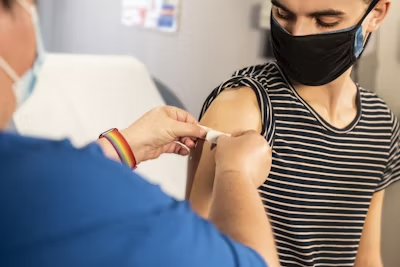
    At a time when medical science has gifted humanity with life saving equipment, a growing movement has threatened public welfare: The decision to give up vaccines. Extensive health can be a spiral in a comprehensive health career with catastrophic wave effects that may look like a personal health alternative. From weak newborns to aging grandparents, unnatural individuals put the entire community at risk. This article highlights the four frightening consequences of skipping vaccination results that go beyond personal health and have already become thin in social stability, economic flexibility and health system.

    When we navigate post pandemic realities, the vaccine remains hesitantly a quiet epidemic. The wrong information itself spreads faster than the virus, often fear, myths and fuel from Eco Chambers on social media. But a possible outbreak behind each jumped shot, which was admitted to a stopped hospital, or even a tragic death. Decision not to vaccinate just about personal freedom this is a public health responsibility. And when this responsibility is ignored, the fall can be daunting.

    Let’s dive into the four most dangerous consequences of skipping vaccine more unstable than each final.

    1. Resurgence of Eradicated Diseases: A Step Backward in Medical Progress

    One of the most terrifying outcomes of vaccine refusal is the return of diseases as soon as considered eliminated or nearly removed. Smallpox turned into worn out globally thanks to vaccination. Polio is getting ready to extinction. Measles, mumps, and rubella have been rare occurrences until they weren’t.

    In recent years, we’ve witnessed outbreaks of measles in countries like the United States and the UK, where vaccination rates dropped underneath the vital ninety five% threshold wished for herd immunity. In 2019, the U.S. Skilled its maximum quantity of measles instances in 25 years immediately linked to clusters of unvaccinated children.

    Imagine an international where children once again stay in worry of polio, a disorder that could paralyze inside days. Or where parents dread sending their kids to school during a mumps outbreak. These aren’t dystopian fantasies, they’re actual possibilities if vaccination charges retain to say no.

    The re-emergence of such diseases doesn’t just threaten personal health; it undermines many years of medical progress. Hospitals become beaten. Public fitness departments scramble to comprise outbreaks. And the load falls heavily on families who should navigate contamination, isolation, and lengthy-time period complications all from preventable reasons.

    Moreover, these outbreaks strain healthcare systems, increasing calls for emergency services, ICU beds, and specialist care. For sufferers without good enough medical health insurance, the economic toll may be ruinous. A single hospitalization because of measles can cost tens of hundreds of dollars at a rate no one’s own family should have to pay for a sickness that vaccines have made nearly obsolete.

    Health

    2. Increased Risk to Vulnerable Populations: The Innocent Pay the Price

    Vaccines don’t just guard the person receiving them, they protect others via herd immunity. This concept is specifically crucial for folks that cannot be vaccinated because of clinical conditions: toddlers too young for sure pictures, cancer patients present process chemotherapy, organ transplant recipients on immunosuppressants, and people with excessive allergies.

    When sufficient human beings in a community are vaccinated, the virus struggles to discover hosts, efficiently growing a protecting barrier across the inclined. But whilst vaccination rates drop, that barrier crumbles.

    Consider this coronary heart-wrenching scenario: a child beneath six months old contracts whooping cough (pertussis) from an unvaccinated classmate of an older sibling. Too young to have completed her vaccine series, the little one fights for breath in a neonatal ICU. Such instances aren’t uncommon; they’re preventable tragedies.

    Similarly, aged individuals with weakened immune systems rely upon surrounding immunity to stay secure from sicknesses like influenza and shingles. When more youthful, healthier humans choose out of vaccines, they unknowingly endanger those least capable of fighting again.

    This moral size makes vaccine refusal especially troubling. It’s not just a personal preference, it’s a choice that influences strangers, acquaintances, and the most fragile participants of society. Choosing now not to vaccinate shifts the burden of disease onto those who never had a say.

    And once more, medical insurance plays a pivotal function right here. Families facing prolonged clinic stays for vaccine-preventable contamination may face overwhelming clinical bills, in particular if coverage is restricted or nonexistent. Even with coverage, deductibles and co-pays can gather swiftly, turning a public health failure into a non-public financial disaster.

    Health

    3. Overburdened Healthcare Systems and Rising Costs

    Each preventive disease already adds pressure to the stressful health system. Emergency folders fill. Pediatric departmental overflow. Doctors and nurses act as outbreaks of overtime, which could have been talked about.

    Take, for example, seasonal flu. While many see it as “just the flu”, it’s the United States alone. Thousands of hospitals and ten thousand deaths occur in thousands of hospitals annually. Nevertheless, the flu vaccine turns around 50% and leaves millions of people receptive each year.

    During the top flu season, alternative surgery can be delayed at the hospital, appointments can be canceled and ambulances due to overload. This resolution affects all patients not just with the flu. One cannot require immediate heart surgery because ICU is full of respiratory cases.

    The economic effect shakes. CDC estimates that the US economy costs more than $ 5 billion annually in influenza related productivity deficit. Recommended costs, heals and add medicines and more than $ 11 billion in total – there is much more prevention.

    Imagine that this landscape is multiplied by many diseases: measles, HPV, pneumococcal infection, hepatitis b. Each vaccine-pressing disease contributes to systemic overload. The clinic uses resources on control rather than prevention. Public health agencies turn funds from wellness programs.

    For individuals, the lack of proper health insurance increases the danger. Without coverage, people can postpone the demand for care until the condition worsens to a more serious illness, high treatment costs and more stress on suppliers. In short, skipping vaccines not only damages the individual, it destabilizes the entire health system’s ecosystem.

    4. Long-Term Health Complications and Life Altering Outcomes

    Many people believe that skipping vaccines only risks short term disease. But the truth is very deep. Vaccine-pre-disease diseases can lead to disabilities, chronic conditions and even death.

    For example, measles are not just the cause of fever and rash. It can lead to encephalitis (brain inflammation), resulting in permanent brain damage or intellectual disability. The red dogs during pregnancy can cause congenital red dog syndrome – leading to deafness, blindness, heart defects and developmental delays in newborns.

    HPV (human papillomavirus), which is often rejected as a “normal infection”, is responsible for cancer of the throat, anus and genitals with almost all cases of cervical cancer. Recommended HPV vaccines for adolescents can prevent more than 90% of these cancers – but the promise is inconsistent.

    Then there is chickenpox. Although it is usually mild in children, it can give birth to severe bacterial infections, pneumonia or stroke. And later in life, the passive virus can reactivate as a ringworm, a painful blister that can cause nerve damage that may be permanent for several months or years.

    These are not imaginary risks. They are documented, recurrent results that affect real people. And each case represents failure in prevention – a moment when a single shot can change the path of life.

    Emotional and psychological tolls are enormous. Parents struggle with guilt. The remaining people face chronic pain, disability or dissolution. Children miss school. Adults lose jobs. What can be saved for entire families is prepared again.

    Here again, health insurance becomes a lifeline but also a point of inequality. People with broad coverage can use rehabilitation, medical and long term care. Those without face insurmountable debt or go without treatment altogether. In a just society, no one should suffer long term because of a preventable infection.

    The Role of Education, Policy, and Responsibility

    So what’s the solution? Blame and disgrace received’t paintings. Instead, we want compassion, training, and clever policy.

    Public fitness campaigns have to fight misinformation with clean, technological know-how-based totally messaging. Doctors must have interaction in empathetic conversations with hesitant patients. Schools and offices can sell vaccination through incentives and access.

    Governments have to make sure vaccines are low cost and extensively available regardless of earnings or insurance popularity. Programs just like the Vaccines for Children (VFC) software in the U.S. Help, but recognition and outreach need improvement.

    And yes, health insurance needs to cover all encouraged vaccines without co-pays, a provision already mandated below the Affordable Care Act for most plans. Yet gaps continue to be, especially for adults and people on high-deductible plans. Expanding insurance and doing away with limitations is essential.

    Ultimately, vaccination isn’t always just a scientific act, it’s a civic duty. It displays our commitment to each other, to destiny generations, and to the collective truth.

    Conclusion: Choose Protection, Not Panic

    The nightmare of skipping vaccines isn’t science fiction, it’s unfolding in real time. Preventable diseases are returning.Vulnerable lives are at stake. Healthcare structures are buckling. And households are paying the charge emotionally, physically, and financially.

    But there is desire. Every vaccine administered is a vote for a safer, healthier international. It’s a stand towards fear, lack of awareness, and complacency. It’s a funding in resilience, sturdiness, and peace of mind.

    If you’re unsure about vaccines, speak to your health practitioner. Seek credible sources. Consider no longer just your health, but the health of your community. And if fee or get admission to is a situation, explore alternatives through your medical health insurance issuer or local public health department.

    The power to prevent suffering is in our hands. Let’s use it wisely.Because when it comes to health, the best offense is and always will be a strong defense.

    1. What happens if you skip vaccines?

    Skipping vaccines increases your risk of contracting and spreading serious, preventable diseases like measles, whooping cough, and polio.

    2. Can skipping vaccines harm others?

    Yes, unvaccinated individuals can spread diseases to vulnerable people (like infants, elderly, or immunocompromised), putting them at risk of severe complications.

    3. Are vaccine side effects worse than the diseases?

    No, most side effects are mild (like soreness or low fever), while the diseases they prevent can cause hospitalization, disability, or death.

  • Health Breakthrough: 8 Incredible Ways to Boost Immunity Fast

    Health Breakthrough: 8 Incredible Ways to Boost Immunity Fast

    Health

    Introduction

    In today’s fast transdial world, it’s not just a luxury it’s a need. With the increasing cases of seasonal diseases, chronic conditions and global health hazards, your immune system stands as a frontline protection that protects your body. A strong immune system does not help you fight cold and flu; It plays an important role in preventing serious illnesses, accelerating improvement and increasing general welfare. Good news? Science has highlighted powerful, natural methods for promoting immunity. In this groundbreaking article, we reveal eight incredible strategies that can overcharge the body’s rescue, research, and experts are supported by insights and real results.

    But before you dive into these living tips, it is necessary to remember that active welfare is important, with reliable health insurance ensures that you are preserved when unexpected medical requirements are produced. No matter how strong your immune system is, accidents occur, and there can be a difference between rapid recovery and long term complications of early detection through regular check in of health insurance.Let’s find out eight revolutionary methods today to strengthen your immunity.

    1. Fuel Your Body with Immune Boosting Superfoods

    You are what you eat and when it comes to immunity, nutrition is king. Some foods are packed with vitamins, minerals and antioxidants that activate immune cells and reduce inflammation.Think your diet as a daily armor for your body.

    Vitamin C-rich foods such as oranges, bell chili, strawberries and broccoli stimulate the production of white blood cells body infection. The sink found in pumpkin seeds, lentils and chickpeas supports immune cell development and communication. Meanwhile, garlic contains allicin, a compound that turns out to increase the response from some white blood cells fighting against the disease.

    Don’t forget fermented foods like curd, kimchi, sacker and kefir. These are filled with probiotics, which support a healthy intestinal microbiome – the basis for 70% of your immune system. A balanced bowel means low infection, better digestion and better mood regulation.

    For maximum power, aim to consume at least five servings of colored fruits and vegetables. Make your plate a rainbow: Red tomatoes, green spinach, purple cabbage, orange carrots and blueberries provide all unique immune -spacing compounds.

    Health

    2. Prioritize Quality Sleep Your Secret Weapon

    Sleep is not shut down; this is the most important time for immune repair. During deep sleep, your body produces cytokines, proteins aimed at infection and inflammation effectively creates an internal treatment environment. Sleep silently and you suppress these important immune reactions.

    Studies show that adults who receive less than six hours of sleep per night are more likely to stay cold than those who sleep for seven or more hours.Lack of chronic sleep also increases cortisol levels, stress hormones,which weakens immune function over time.

    To optimize your comfort:

    Stick to a steady sleep plan.

    Avoid the screen one hour before bedtime.Keep your bedroom cool, dark and cool.Limit caffeine after 10 p.m.Think of quality sleep in the form of non-revolutionary maintenance for your immune system. This is not laziness, it is biological talent.

    3. Move Daily: Exercise as an Immunity Igniter

    Regular physical activity is one of the lowest immune amplifiers. Medium exercise such as fast walking, cycling or swimming – increases the circulation of immune cells throughout the body, so that they can quickly detect and react to pathogens.

    Research published in the British Journal of Sports Medicine found that those who do moderate exercise just 30 minutes a week experience a 50% decline in infections in the upper respiratory tract.

    But don’t overdo it. Acute, long term workouts can temporarily suppress immunity without proper recovery. The key is stability and balance. Even dancing around your living room for 20 minutes!

    Exercise also reduces inflammation, improves heart health and helps regulate body weight – all factors are linked to strong immune flexibility.

    4. Manage stress as a trailer

    Chronic stress is a quiet immune killer. When you are stressed, your body releases cortisol and adrenaline, and does not have hormones designed for short -term survival. Over time, the level of elevated cortisol immune deficiency suppresses the immune system, making you more vulnerable to infection and wound healing.

    Solution? Practice stress -reducing techniques per day. Mindfulness meditation, deep breathing exercises, yoga and ironing are all shown to reduce cortisol and improve the immune markers.

    A study by Harvard found that the participants who practiced meditation with mindfulness had less sick days and had strong antibody reactions on the flu vaccine. Just 10 minutes a day can make an average difference.

    Laughter is also medicine. It increases immune cells and antibodies fighting against infections. So look at that comedy special, call your funniest friend, or spend time with children – they laugh on average 300 times a day against just 17 of adults.

    Health

    5. Stay Hydrated: The Forgotten Immunity Essential

    Water may look basic, but its role in immunity is deep. Each cell, tissue and limb requires hydration to function properly which includes those involved in immune systems.

    Dehydration reduces the effectiveness of lymphatic flow, fluid that carries white blood cells and other immune drugs in your body. It also dries the mucosa in the nose and throat, the first line of your protection against air born pathogens.

    If you are active or live in a warm climate, at least 8-10 glasses of water daily, do more. Herbal teas, broth and watery fruits such as cucumbers and watermelons also contribute to hydration.

    Start the morning with a glass of hot lemon water and it saves a dose of kickstart digestion and vitamin C.

    6. Additional dietary power (when needed)

    While whole foods should always come first, some supplements can provide a strong boost – especially if you have deficiencies or increased requirements.

    Top conscious -supported supplements for immunity include:

    Vitamin D: Important for immune modulation. Low levels are associated with high transition rates.

    Zinc: When you are taken by symptoms within 24 hours, the winter duration is shortened.

    Elderberry: Antioxidant appears to be rich and reduces the severity of the flu.

    Probiotics:Support intestinal health and immune balance.

    Always contact a health care provider before starting a supplement,especially if you are pregnant, handle a condition or want to take medication.And remember: Additional supplements are not a place for a healthy lifestyle.

    7. Cultivate Strong Social Connections

    Believe it or not, your relationship affects your immunity directly. People with strong social relationships have high antibody reactions, low inflammation and even more life.

    On the other hand, loneliness triggers chronic stress paths that weaken immune rescue. A historical study found that socially isolated individuals are more likely to develop severe cold symptoms when exposed to the virus.

    Get time for meaningful connections. Call a dear, join a community group, voluntarily or just share food with the family. Emotional health is inseparable from physical health.

    8. Plan preventive care especially with health insurance

    The most powerful for promoting immunity is one of the unspoked methods, but preventive health services. Regular check, screening, vaccination and early intervention prevent small problems from becoming a major crisis.

    This is where health insurance not only becomes a financial equipment, but a life conservation property. Whether it covers annual physical, flu shoots, blood work or cancer screening, obstacles are overcome to preserve insurance.

    Imagine keeping as soon as possible through a regular blood test so turn it around with diet and exercise before the injury occurs. Or to obtain pneumonia vaccine that prevents hospitalization from hospitality during the flu season. These are the actual victories that are possible for available health services.

    Without insurance, many of these important steps are left due to many costs, and puts their long term immunity at risk. Don’t gamble with your health. Explore government programs or market opportunities such as employer schemes, medicines under the Cheap Care Act. Your future will thank you.

    Bonus Tip: Avoid Immunity Saboteurs

    Even with the best intentions, some habits can reduce your efforts:

    Smoking: Damage the lungs and immune cells.

    Excessive alcohol: White blood storms interrupted blood cell function.

    Sugar diet: You can suppress the immune activity for hours after consumption.

    Movable lifestyle: Reduces the circulation of immune remedies.

    The first step to change awareness. Change bad habits with strong people – a choice at a time.

    Large Picture: Immune is a lifetime job

    The construction of a strong immune system is not about rapid improvement or miracle therapy. It’s about making constant options that respect the body’s innate intelligence. The above eight strategies are not isolated tricks – they are linked by a flexible life.

    And when individual habits form the basis, access to the health care system completes the image. This is why creating a healthy lifestyle pair of extensive health insurance creates a final defense strategy. You not only promote immunity, you invest in a long, healthy, more vibrant life.

    Last Idea: Your Health, Your Power

    Immunity is not something that happens to you – this is something that is made by you. From food on the plate to the depth of your sleep, each decision forms the body’s ability to protect itself. These eight success methods provide a scientific road map for strong rescue, rapid improvement and more vitality.

    But never consider the power of prevention as less. The disease can beat anyone – even healthy among us. That is why it is not optional to obtain reliable health insurance; It is responsible. This ensures that when life throws a curl, you do not fight alone.

    So take hold today. Eat well often. Sleep deeply. Connect meaningfully. And protect your progress with smart health services. Your immune system is already extraordinary now give it the support it deserves.Because true health isn’t just surviving. It’s thriving.

    1. What’s the fastest way to boost immunity?

    Prioritize sleep, stay hydrated, eat immune boosting foods (like citrus, garlic, and spinach), and consider vitamin D and zinc supplements if deficient.

    2. Can exercise really improve immunity?

    Yes, moderate daily activity (like brisk walking or yoga) enhances circulation and immune cell function, helping your body fight off infections faster.

    3. How long does it take to see results?

    Many people notice improved resilience within 2–4 weeks of consistent healthy habits like better nutrition, reduced stress, and regular sleep.

  • Health Revolution: 9 Proven Strategies to Transform Women’s Wellness

    Health Revolution: 9 Proven Strategies to Transform Women’s Wellness

    Health

    Introduction

    In a world where women meet careers, family, personal ambitions and social expectations, prioritizing well being often takes the back seat. But a significant change goes on a health revolution: they are recycling control over their physical, emotional and mental welfare. Now, not accepting “just becoming” as normal, embracing millions of people transformational strategies that are out of diet and exercise. This movement is not about rapid improvement or volatile trends; What is the meaning of real health for women in all stages of life is a deep rebuild.

    From hormonal balance to preventive care, from mental flexibility to an important role as health insurance, this article reveals nine proven strategies to multiply women’s welfare a strong alternative at a time. Welcome to the future of women’s Wellness.

    1. Prioritize Preventive Care with Confidence

    Prevention isn’t always only a buzzword, it’s the cornerstone of long time period wellbeing.Yet, countless girls pass routine screenings due to value, fear, or lack of access. The fact?Early detection saves lives.Regular mammograms, Pap smears, bone density scans, and blood pressure tests can capture conditions like breast cancer, cervical dysplasia, osteoporosis, and high blood pressure earlier than they grow to be emergencies.

    This is where health insurance turns into a game changer. With comprehensive insurance, preventive offerings are regularly absolutely blanketed at no extra fee beneath the Affordable Care Act. A lady with reliable medical health insurance doesn’t ought to select between paying lease and getting a lifestyle saving colonoscopy. She can walk into her medical doctor’s office knowing she’s included not simply financially, however emotionally.

    Empowerment begins with getting entry to. When ladies recognise their bodies are being monitored and cared for, confidence soars. That peace of thoughts fuels better decision making in each area of life.

    Health

    2. Master Your Hormonal Health

    Hormones govern everything from temper swings and power tiers to fertility and metabolism. For a long time, girls had been instructed to “just address” PMS, perimenopause signs and symptoms, or postpartum melancholy. But nowadays’s fitness revolution acknowledges hormonal imbalance as a treatable circumstance, not an inevitable destiny.

    Cutting aspect research suggests that way of life interventions like balanced nutrition, strain reduction, and targeted supplementation can dramatically improve hormonal health. Tracking cycles, the usage of apps, monitoring signs, and consulting endocrinologists or useful medicinal drug practitioners permit women to take note of their inner rhythms.

    Moreover, having medical health insurance that covers hormone panels, fertility remedies, and mental fitness counseling removes one of the biggest barriers to care. Imagine being able to address thyroid dysfunction or polycystic ovary syndrome (PCOS) without draining your savings. That’s real power.

    When hormones are balanced, women experience clearer thinking, stable moods, increased libido, and renewed vitality. It’s not magic, it’s medicine meeting mindfulness.

    3. Embrace Movement That Feels Good, Not Punishing

    The old model for stamina – grinning workouts, punishing the diet and passionate calorie counting collapse. A more kind approach increases in its place: Happy movement.Whether he dances in the kitchen, traveling with friends, practicing yoga or lifting weight with intentions, the goal is to strengthen now, but to strengthen it.

    Studies confirm that frequent, moderate physical activity reduces the risk of heart disease, diabetes, depression and some cancer. But here is the mystery: Stability comes from Bliss. A woman who loves her training routine is more likely to stay with her than the gym.

    And talk. Quality gym, physiotherapy and sports rehabilitation are expensive. This is why inclusive health insurance schemes covering exercise programs through physical therapy, chiropractic care or even employers welfare initiatives make all differences. These benefits ensure that movement is a right not a privilege.Kalyan is not about six-pack ABS. It is about strong bones, flexible joints and a heart that beats for purpose.

    Health

    4. Your body gives you fuel as the superpower

    Food is information. Each bit indicates your cells, inflammation, immune, energy and even gene expression. Modern women deserve nutrition that respects her complexity did not treat marketed garbage as “healthy”.

    There is a revolutionary change in the nutrition of women: personal food. Instead of a size-pass-shaped diet, women find out what works for their body. Some plant -based foods thrive, others require more protein or healthy fat. The requirements for intestinal health, food sensitivity and metabolism vary widely and science now supports an analog approach.

    But here’s the hard truth: nutritious food costs more.Organic produce, grass-fed meats, and specialty supplements aren’t always affordable.That’s where health insurance with nutritional counseling benefits steps in. Registered dietitians can help design affordable, effective meal plans and some insurers even offer rebates on grocery purchases through wellness programs.Eating well shouldn’t be a luxury. With the right support, every woman can fuel her body like the powerhouse she was born to be.

    5. Break the Silence on Mental Wellness

    For a very long time, women are expected to be cautious, nutrition and emotionally anchored while they still suffer from anxiety, burnout, trauma or depression. The stigma around mental Wellness has stopped millions of people from seeking help.

    No more. The health revolution requires emotional honesty. Therapy is no longer prohibited; This is necessary. Mindfulness, meditation, ironing and Peer Support Group are now mainstream tools in wellness tools.

    And significantly should mental health be treated with similar rights as physical illness. Thanks to gender equality laws, most health insurance plans now cover medical, psychiatric care and drug handling. Access to Telehealth platforms has made the consultation much easier than ever especially for mothers, residents of the village or people with mobility challenges.

    Fixing the mind is not selfish – it is strategic. A mentally flexible woman leads better, loves and remains strong.

    6. Construction of a village: Community such as medicine

    Human compounds are wired. The separation is a quiet epidemic, especially among new mothers, single women and the elderly. But society appears to be an important prescription for welfare.

    Women’s circles, training classes, online forums and trust -based groups provide accountability and shared knowledge. Studies show that strong social relationships reduce the risk of mortality such as quitting smoking.

    Employers and insurance companies have begun to recognize it. Some progressive health insurance providers now finance wellness events in society, virtual support networks or even the group’s fitness participation. When the health system invests in connections, the results improve the entire board.You should not do this alone. Your trunk is part of your treatment plan.

    7. Sleep: The Underrated Superpower

    Sleep is the basis for the treatment, but it is a chronological sub -well. Women, especially mothers and carers, often provide a waiver of productivity. But the scurvy of sleep, destruction of immunity, recognition and mood.

    The health revolution teaches us: Sleep is non-closed. Rituals at bedtime, limiting screen time, optimization of the bedroom environment and treating sleep disorders such as insomnia or sleep apnea are now seen as important self -care actions.

    Good news: Many health insurance schemes cover sleep studies and cognitive behavior for insomnia (CBT-I), which is more effective than the long-term drug. Sleep is considered a pillar of health not a later it changes how women in the world show.

    Imagine fresh, focused and wake up ready to win the day. This is not imagination. This is a restructuring of justice for your body.

    8. Lawyer for yourself be a health hero

    One of the most severe changes in women’s health is the emergence of a spokesman. Many women have been rejected, misinformed by medical professionals, incorrect diagnosis or fallout. But no more.

    Today’s informed woman asks questions, brings records, takes a different opinion and emphasizes the answer. She knows the body better than anyone. And when she shares her Wellness team as a similar partnership, the miracle happens.

    Being a health insurance gives the right to a spokesman. It gives women the freedom to see experts, receive other opinions and pursue alternative means without financial waste. Gyan plus access is equal to invincible speed.Be daring. Be curious. Staying tirelessly in your voice means something.

    9. Invest in Long Term Wellness Not Just Crisis Care

    The traditional health care system waits until you are sick to work. But the health revolution floats the script: Kalyan is constant, not reactive.

    Forward holding women invest in annual health reviews, genetic testing, portable technology and general doctors. They plan a DEDEX in advance for menopause, bone health, prevention of heart disease and brain life.

    And then health insurance plays an important role. Annual screening of physical, mental health, vaccination and treatment of chronic disease management means that women may be ahead of problems before continuing.Think about it as a pension account for your body. Small, consistent occurrences in welfare achieve large scale returns in the quality of life.

    Final View: Join the Health Revolution

    It’s not just about living for a long time. It’s all about living better. The health revolution is not led by well known celebrities or affected people, it is run by everyday women who make brave, informed alternatives every day.

    From taking advantage of health insurance to the creation of unwanted self values, seeking better care to choose happiness over blame, these nine strategies are more than tips. They are a manifesto for a new era of women’s welfare.

    So ask yourself: What do you want to do today to respect your health? Want to plan the overdue control? Call a doctor? Don’t ask for burnout? Require better coverage?Your body is not late. Your mind is not broken. Your life is worth saving.Go into your power. The revolution is here and you are the leader waiting for it.

    1. What is the most impactful strategy for improving women’s wellness?

    Prioritizing hormonal and emotional balance through stress management, quality sleep, and nutrient rich nutrition has the most transformative effect on overall women’s health.

    2. Can these strategies help with common issues like fatigue and mood swings?

    Yes! These proven strategies like regular movement, mindfulness, and proper hydration naturally boost energy, stabilize mood, and support hormonal health.

    3. Is health insurance important for accessing women’s wellness care?

    Absolutely. Health insurance covers essential services like annual check ups, screenings, mental health support, and preventive care, making wellness accessible and affordable.

  • Health Alert: 8 Terrifying Signs Your Child Needs Immediate Care

    Health Alert: 8 Terrifying Signs Your Child Needs Immediate Care

    Health

    Introduction

    As dad and mom, we stay for our children’s laughter, their first steps, and the quiet moments after they nod off in our fingers. But underneath that pleasure lies a consistent undercurrent of worry: What if something is going incorrect? What if I leave out a vital signal? In those vulnerable moments, expertise will become your most effective ally. Recognizing early caution signs and symptoms of great illness can imply the distinction among a quick restoration and a lifestyles altering emergency.

    This article isn’t always meant to scare you, it’s designed to empower you. We’ll walk through eight alarming symptoms that your infant may additionally want instant medical interest, assisting you act swiftly and confidently. Along the way, we’ll also speak about how having the right health insurance can protect your circle of relatives from both scientific and financial crises throughout emergencies.

    1. Difficulty Breathing or Rapid Breathing

    One of the most essential red flags in pediatric health is difficulty breathing.If your child pours, provokes the nostril, retreating (pulling the skin around the ribs or neck with each breathing), or exhausted unusually, it may indicate pneumonia, asthma, bronchiolitis or even a severe allergic reaction.

    Infants and young children have small airways, making them more sensitive to the airways. A high -picked sound known as a string or wheezing can indicate a pancreas or obstacle. Don’t wait until your doctor immediately or go to the nearest emergency room.

    Comprehensive health insurance ensures that your child is diagnosed with an X -ray of the breast or oxygen therapy without delay due to cost problems. Emergency harassers should never be avoided due to financial fear.

    Health

    2. High fever that did not break

    A fever is often the natural reaction from the body on infection – but when it spikes above 40 ° C (40 ° C), or exceeds 72 hours despite the drug, it requires immediate evaluation. Less than three months with some fever (over 100.4 ° F) should be seen immediately, as the immune system still develops.

    See for further symptoms: lethargy, rash, hard neck or seizure. They can point to meningitis, sepsis or other serious conditions. I never ignore fever that opposes treatment. Initial intervention saves life.

    With reliable health insurance you get an hour’s clinic, consultation of telehealth and access to hospital services without meeting heavy bills. Preventive coverage also includes regular vaccination, which reduces the risk of many fever diseases.

    3. Persistent Vomiting or Diarrhea Leading to Dehydration

    Children can dehydrate quickly sometimes in hours especially while fighting bellyworm, food poisoning or viral infections.Warning signs include dry mouth, sunken eyes, no tears when crying, reduced urination (less than three wet diapers in eight hours) and excessive fatigue.Infants and toddlers are particularly vulnerable. If your child refuses the liquid, throws it repeatedly or has a bloody stool, search immediately. Severe dehydration may require IV fluid and hospitalization.

    Smart Health Insurance Plan covers emergency room visits, laboratory tests and liberation therapy. They also provide access to pediatric gastroenterologists who can diagnose the inherent problems such as intestinal barriers or inflammatory conditions.

    Health

    4. Sudden changes in behavior or extreme lethargy

    Children get tired as they grow! But if your normally active children suddenly become unanswered, it becomes difficult to wake up, or shows confusion, it is a big red flag. It may indicate a cerebral infection (e.g. encephalitis), low blood sugar, toxicity or reaction to the drug.

    Slade speech in relation to other behavior entails, inability to identify famous people or stare for a long time. Trust your tendency. If anything feels, it’s probably.

    Immediate neurological evaluation, including CT scan or spinal cord, may be necessary. Without proper health insurance, this clinical equipment can lead to tens of thousands of loans. But with the right plan you are preserved and given the opportunity to prefer cost processing on the costs.

    5. Seizures or Uncontrolled Shaking

    Witnessing your toddler have a seizure is terrifying. It can also contain convulsions, eye-rolling, loss of consciousness, or jerking limbs.While a few febrile seizures in young youngsters are quick and no longer continually dangerous, any first-time seizure calls for immediate scientific evaluation.

    Seizures can stem from epilepsy, infections, head injuries, or metabolic imbalances.Prolonged seizures (lasting greater than 5 mins) constitute a scientific emergency known as status epilepticus and require emergency intervention.

    Prompt access to neurology experts and EEG trying out is essential—and viable best with robust health insurance. Many plans now include insurance for long-term tracking and anti-seizure medications, ensuring continuity of care.

    6. Severe Head Injury with Loss of Consciousness

    Falls are commonplace in formative years, but certain head injuries demand immediate movement. If your child hits their head and loses recognition—even in brief—or stories vomiting, unequal students, slurred speech, or worsening headache in a while, suspect a concussion or stressful mind injury.

    Do no longer allow them to sleep unmonitored. Keep them wakeful and are looking for emergency care. Delayed symptoms can appear hours later, making observation vital.

    Trauma facilities equipped with pediatric neurologists and imaging generation are lifesavers. However, trauma care is expensive. Comprehensive medical health insurance shields households from catastrophic fees even as making sure top-tier treatment.

    7. Skin That Turns Blue, Pale, or Mottled

    Cyanosis when the skin turns blue, especially around lips or fingers is a sign of poor oxygen circulation.This can mean problems with the heart or lungs, such as congenital heart defects or respiratory failure.

    Pale or stained (butter, cool, marble kicks) skin can also indicate shock, sepsis or poor spraying. In newborns, this symptom is particularly dangerous and must be evaluated immediately.

    Early identity through pulse oximetry and heart screening can prevent long -term injury. Thanks to the Affordable Care Act, most health insurance policies cover newborn screening and preventive cardiology evaluation, important tools under quick prisoners’ quiet conditions.

    8. Non-Blancing Grain: Glass Sample As You Should Know

    Not all rashes are harmless. A rash that does not fade under the pressure is known as a non-blanking rash-which may indicate meningococcal, a deadly form of bacterial meningitis.

    Do a glass sample: Press a clear drink glass well against the rash. If the spots appear through the glass, it is non-blanching. This is a medical emergency.

    Symptoms often come with fever, hardness, sensitivity to light and vomiting. Time is important – antibiotics must be administered within hours to prevent death or dissection.

    Each parent should know this exam. And every family must have health insurance that covers quick diagnosis, ICU stays and follow up rehabilitation because just to avoid this type of illness is just the beginning of the journey.

    Why Health Insurance Is More Than Just a Safety Net

    We have emphasized eight scary but important signs. But what is awareness if you can’t act on it?Imagine it: It is 2 o’clock. Your child is struggling to breathe. You run in the area. The test shows pneumonia. The treatment begins immediately. But then comes the bill: $ 8000 for one night.

    Without health insurance, many families meet impossible alternatives – taking care of care, lack of savings or permanent years of medical debt. According to the Kaiser Family Foundation, about 4 million children in the United States are unlicensed. It is an emergency away from financial destruction to 4 million families.Good health insurance does more than pay bills. It gives:

    24/7 Nurse Hotline for immediate advice

    Coverage for ambulance transport

    Access to special pediatric hospitals

    Mental health care for parents and children

    Preventive care to zero cost (vaccine, check, development screening)

    Schemes such as Medicaid, Chip (Children’s Health Insurance Programs) and market opportunities make quality care available. Do not assume that you are not eligible – properly. The child’s life may depend on this.

    Trust your gut that is often right

    Medical guidelines are important, but therefore the intuition of the parents. The study suggests that when parents say, “Something is wrong”, doctors should listen. A 2020 study published in the BMJ Open found that parents’ concern was a strong prophet of a serious disease compared to many clinical symptoms.

    You know your child best. If they seem “closed”, even if no specific symptoms fit, you trust yourself. Take another opinion. Ask for answers. Lawyer fierce.And remember: There is not much to take help. This is responsible rationalization.

    Final Thoughts: Be Prepared, Stay Calm, Act Fast

    It is an emergency. But preparations make terror for purpose.Post an emergency number on your refrigerator. Keep a first aid kit.Learn CPR. Learn the location of the nearest pediatric euros. Save the insurance company’s customer service number on the phone.

    Learn how older children describe their symptoms: “I have a headache,” “I can’t take my breath,” “my stomach doesn’t stop hurting.” Words save life.

    Make sure everything, make sure your family is covered. Update your health insurance annually. Review deductibles, co devotion and network hospital. Make sure your child has primary care networks. Confirm prescription coverage.

    Because when the crisis attacks, the last thing you should worry about is money.

    Conclusions: Protect their health, secure their future

    The child’s goodness is precious. Still every day, the family hesitates to take care as they lack safety networks for health insurance. Don’t be afraid of fear, decision making costs and the need between your child and the help they need.

    The eight signs we have discussed are alarm courses. Remember them. Answer quickly. Use your voice. Use your rights. Use your insurance.

    Knowledge, vigilance and access less they create final defense. You don’t have to be a doctor to save your child. You just need to take care of working.Be careful to be informed to be insuredBecause when it comes to the child’s health, there is no other chance.

    1. What are the most urgent signs that my child needs emergency care?

    Seek immediate medical attention if your child has difficulty breathing, a high fever with a stiff neck or rash, persistent vomiting or diarrhea leading to dehydration, unresponsiveness, seizures, or severe head injury.

    2. When should I call 911 versus visiting an urgent care clinic?

    Call 911 for life threatening symptoms like trouble breathing, unconsciousness, or severe trauma. For less critical but urgent issues like moderate fever or minor injuries urgent care may be appropriate, but always err on the side of caution when in doubt.

    3. How can health insurance help in a pediatric emergency?

    Having health insurance ensures quick access to emergency services without delays due to cost. Most plans cover emergency room visits, hospitalization, and follow up care, protecting both your child’s health and your finances during critical moments.

  • Health Hacks for Kids: 5 Powerful Tips Every Parent Must Know Now

    Health Hacks for Kids: 5 Powerful Tips Every Parent Must Know Now

    Health

    Introduction

    As a parent, there is nothing more that matters than your child. The moment they take their first breath on and beyond the first day of their school, and prioritize health. But in today’s sharp transit world, being ahead of childhood diseases, nutritional intervals, emotional challenges and medical needs may feel heavy. Good news? You do not need a medical degree to make strong, positive changes. With some smart health chops for children, you can still create a strong foundation for lifelong welfare.

    In this article we will find out five playing tips, each of the parents knowing for the protection of the child’s physical, mental and emotional health. This is not just trendy suggestions; They are supported by science, pediatric expertise and success in the real world. In addition, we will often affect children’s health, often ignorant, but important components: health insurance. For no matter how active you are, unexpected medical problems can occur and all differences are made by getting ready.

    1. Fuel Their Future: Master the Art of Nutrient Rich Eating

    You’ve probably heard the pronunciation, “You are what you consume.” For youngsters, this couldn’t be truer. Their bodies are growing at lightning speed, and their brains are developing neural pathways so that it will shape their mastering, behavior, and long time period fitness. What they eat immediately influences their electricity, immunity, consciousness, and even temper.

    The key isn’t perfection it’s consistency.Instead of banning treats completely (which can backfire), cognizance on making nutrient dense ingredients the default.Think colourful fruits and vegetables, complete grains, lean proteins, and wholesome fat like avocado, nuts, and olive oil.Swap sugary cereals for oatmeal crowned with berries, replace juice with water infused with lemon or cucumber, and p.C. Lunch with selfmade wraps in place of processed snacks.

    One powerful hack? Involve your kids in meal making plans and cooking. When youngsters help choose recipes or wash vegetables, they’re a long way much more likely to try and revel in what’s on their plate. Make it amusing: call blueberries “brain boosters,” spinach “strength leaves,” and yogurt “intestine guardians.”

    And remember: getting entry to nutritious meals is part of standard fitness protection. This ties immediately into health insurance. A complete plan doesn’t just cover medical doctor visits and emergencies; it can encompass dietary counseling, obesity prevention programs, and even aid for households coping with meal allergies or chronic conditions like diabetes. Knowing your coverage covers these offerings empowers you to behave early, not wait till small problems become large ones.

    Health

    2. Sleep Like a Pro: Unlock the Superpower of Rest

    Sleep is not downtime this is the most important time for development, memory consolidation and immune repair. Nevertheless, studies show that about 25% of children do not get enough sleep. Result? Long term risks such as poor concentration, behavioral problems, weak immunity and even overweight and anxiety.

    So how do you kill better sleep? Start with a routine. Children thrive with divination. Goals for continuous bedtime even on weekends. Make a cool ritual before sleep: Hot bathroom, cool reading, soft music. Prohibit at least one hour before the bed; The blue lights from tablets and phones press melatonin, hormones indicating sleep.

    Another supporter tip? Adapt the sleeping environment. Keep the room cool, dark and cool. Think of the blackout curtain and a white noise machine if necessary. And avoid sugar snacks or drinks, which are near bedtime they cause energy spikes that interfere with comfort.

    If your child takes out loud, it is difficult to breathe at night, or is extremely tired during the day, contact the pediatrician. These sleep can be signs of sleep apnea or other disorders. Here again, health insurance plays an important role. Many schemes cover sleep studies and expert consultations, removing financial obstacles to diagnosis and treatment. Do not take care of the cost delay, review your policy and use the benefits of care.

    3. Move with Joy: Turn Exercise into Play

    Kids aren’t supposed to sit still. Their natural country is motion strolling, leaping, climbing, dancing. Yet, with extended display time and decreased recess in colleges, many kids aren’t getting the encouraged 60 minutes of each day’s bodily pastime.

    The answer? Reframe workout as play. Forget established workout routines; assume tag video games, motorbike rides, obstacle courses within the outdoors, or own family dance events. Encouraging unstructured out of doors play boosts creativity, coordination, and social skills at the same time as burning electricity constructively.

    One powerful hack: make health a family affair. Go hiking on weekends, take nighttime walks, or sign up in a discern-infant yoga class. When youngsters see adults moving joyfully, they’re much more likely to adopt lively behavior themselves.

    Physical activity does extra than save you weight problems. It strengthens bones, improves circulation, complements mood via endorphin launch, and reduces signs and symptoms of ADHD and anxiety. And here’s the kicker: energetic children generally tend to have more potent immune structures and fewer ill days meaning fewer neglected college days and less stress for mother and father.

    If your child has a disability or persistent condition that limits mobility, paintings with a pediatric physical therapist. Many medical insurance plans cover therapy periods, adaptive equipment, and specialized programs. Don’t anticipate it’s no longer protected, ask your issuer and suggest for your baby’s proper to move freely and properly.

    Health

    4. Guard Their Minds: Prioritize Mental and Emotional Health

    We frequently significance of physical health, however intellectual wellbeing is just as essential. Childhood is full of emotional highs and lows from separation anxiety to friendship struggles to instructional pressure.Left unaddressed, these can evolve into anxiety, despair, or behavioral issues.

    One of the most powerful health hacks for kids is emotional literacy. Teach your infant to call their feelings: “I see you’re pissed off,” or “It’s ok to experience unhappiness while your pal moves away.” Validate their emotions without dashing to restore the whole lot. This builds resilience and agreement.

    Set aside ordinary “check-in” times at some stage in dinner, automobile rides, or bedtime to speak about their day. Ask open-ended questions: “What made you smile today?” or “Was there something that felt tough?” Listen extra than you speak.

    Limit exposure to age-beside the point content on line. Monitor social media use, mainly for tweens and teens. Cyberbullying, unrealistic frame requirements, and consistent assessment can wreak havoc on vanity.

    If you observe continual unhappiness, withdrawal, aggression, or sleep disturbances, seek expert assistance. Early intervention is transformative. Many health insurance regulations now encompass sturdy mental health coverage remedy classes, psychiatric critiques, or even telehealth counseling for youngsters. Use them. There’s no disgrace in asking for aid; it’s a sign of energy and love.

    5. Prevent Before Problems: Master the Power of Proactive Care

    The best health strategy is not to treat the disease – it stops it. Where active care comes. This includes regular pediatric check ups, timely vaccination, tooth travel, vision screening and development assessment.

    Many parents leave regular trips if their child “feels right.” But this is exactly when preventive care shines. Doctors can have microscopic problems – such as hearing loss, scoliosis or initial signs of autism before continuing. Vaccination not only protects your children, but also weak members of society.

    Here is a game changing hack: Keep a personal health journal. Spot vaccination, growth milestone, allergies, medicines and medical notes in a dedicated notebook or digital app. It becomes invaluable during an emergency or when switching to suppliers.

    And yes it brings us back to health insurance. A specific plan ensures that your child receives all recommended preventive services very low or at no cost. According to Affordable Care ACT, most insurance plans cover well with child attacks, vaccines, screening of autism and more and more without the police. Nevertheless, millions of qualified families are unlicensed or less.

    If you are unsure of your coverage:

    Review the summary of your political benefits.

    What is involved, call customer service to confirm.

    If you qualify, you can examine Medicaid or Children’s Health Insurance Program (Chip).

    Never leave financial fear between your child and the necessary care. Health insurance is not a luxury – it is a security trap, a shield and a statement that means your child’s health.

    Final Thoughts: Small Hacks, Lifelong Impact

    Being a parent is one of the most tough and rewarding roles you’ll ever have. You don’t want to be ideal. You simply need to be gifted, knowledgeable, and proactive.

    These five health hacks for children: nutrient-rich ingesting, satisfactory sleep, joyful movement, emotional help, and preventive care are not quick fixes. They’re pillars of a more fit, happier childhood. And whilst combined with the safety of dependable medical health insurance, they shape a fort round your baby’s destiny.

    Start small. Pick one tip for attention this week. Maybe it’s including more veggies to meals or putting a corporation to bedtime. Celebrate progress, not perfection. Share what you study with different mothers and fathers due to the fact raising wholesome youngsters takes a village.

    Remember: each preference you are making today shapes your baby’s future. With love, understanding, and the right tools, you’re no longer simply elevating a baby. You’re nurturing a resilient, colourful person geared up to thrive.Because in relation to your child’s fitness you’ve got the power to make all of the distinction.

    Q1: What are the best daily health habits for children?

    A: Consistent sleep, balanced nutrition (rich in fruits, veggies, and whole grains), daily physical activity (at least 60 minutes), limited screen time, and regular handwashing are foundational habits for kids’ long term health.

    Q2: How can parents encourage healthy eating in picky eaters?

    A: Involve kids in meal planning and cooking, offer colorful food choices, pair new foods with familiar favorites, and avoid pressuring them. Small, repeated exposures without pressure can gradually expand their palate.

    Q3: Why is health insurance important for children?

    A: Health insurance ensures kids receive preventive care like vaccinations, routine check-ups, dental visits, and timely treatment for illnesses all critical for healthy development without the burden of high out-of-pocket costs.