Tag: #HealthOptimization

  • Health Campaigns That Flopped: 6 Costly Mistakes to Never Repeat

    Health Campaigns That Flopped: 6 Costly Mistakes to Never Repeat

    Health Campaigns

    Introduction

    In the high effort of public messages, few efforts have just as much weight or have the potential to make impression like health campaigns. When done right, they save lives, change behavior and reshape society. Think of the iconic “truth” anti-smoking ads or the global pressure for the vaccination of childhood campaigns that not only informed but also created change.

    But for every success story, there is a cemetery with health campaigns that flopped despite large budgets, celebrity drawings or good intentions. These errors are not just embarrassing; They waste precious resources, destroy public trust, and in worst cases cause real damage.

    So what went wrong? And more importantly, what can we learn?Here are 6 expensive errors behind some of the most notorious health campaigns and how to avoid them in your next Public Health initiative.

    1. Lack of clear action: “Be Healthy” is not a strategy

    Many health campaigns fall into the trap of ambiguity. “Eat better!” “Train more!” “Stay fresh!”. These slogans sound uplifting, but do not give any direction.

    A British campaign once urged the citizens to “count every contact” to improve public health without explaining how. Frontline workers were left scratching their heads.

    Why it failed:

    People do not act on inspiration alone. They need specific, achievable steps. “Drink a small soda a day” works better than “improve your diet.”Lesson: Pair each message with specific behavior. Make the first step clear, easy and immediate.

    2. Overloading with Jargon: When “Science” Becomes Noise

    Do you remember the CDC’s first pandemic message? Press conferences were flooded with sentences such as “asymptomatic transmission” and “R0 value.” While scientifically accurate, they confused the audience and promoted misinformation.

    A health campaign that depends on the technical language requires the audience to have the same expertise as the creators, a dangerous fallacy.

    Why it failed:

    Clarity beats the complexity every time. If your message requires a dictionary or a doctorate to understand, it’s not a message it’s an obstacle.Lesson: Translate science into human stories. Use simple language. Test your message with real people, not just experts.
    Health Campaigns

    3. Tone Deaf Messaging: The “Obesity = Laziness” Trap

    In 2012, Georgia launched a health campaign called “Strong4life”, with advertising boards with overweight children and the caption: “It’s hard to be a little girl if you’re not a little girl.” Intention? To raise awareness of the overweight of children.Instead, it triggered national indignation to shame vulnerable children and enhance harmful stereotypes.

    Why it failed:

    Shame not motivating – it paralyzes it. Effective health campaigns promote empathy, not judgment. Connection of body size to moral failure ignores systemic problems such as food, poverty and genetic factors.Lesson: Focus on health, not on appearance. Promote support, not stigma.Empower, not shame. 

    4. Ignoring Cultural Context: The “Promiscuity” Blunder

    At the beginning of the 2000s, a well-funded health campaign in the United States in parts of Africa south of Sahara was promoted as the most important way to prevent HIV. Condoms were trivialized or removed completely, based on the perception that promoting them would encourage sexual activity outcome? The infection rate skyrocketed in areas where accurate, culturally sensitive sex training was badly necessary.

    Why it failed:

    Public health is not the same for everyone. Introducing a Western moral framework for local communities with different values, norms and realities is not only ineffective, but also insulting. Real health communication should be created in collaboration with the target group, not aimed at them.Lesson: Always conduct a thorough cultural audit. Partner with local leaders. Listen before talking.

    Health Campaigns

    5. Misaligned Incentives: When Profit Drives Public Health

    In the 1990s, a large soda company funded a health campaign that promoted “physical activity” as the key to fighting overweight and practically shifted the blame from sugary drinks.

    Message? “You can use a bad diet.”Truth?You can’t

    Why it failed:

    The audience feels a sense of inauthenticity. When corporate interests mask themselves like public good, confidence evaporates. Health campaigns should be transparent about financing and goals.Lesson: Prioritize general interest rather than pr. Reveal the partnership. Let integrity, not investors, lead your message. 

    6. No feedback loop: Launch and Remaining

    One of the most overlooked errors? Treatment of health campaigns such as “seen and forget” advertising boards. A City Launches a Mental Health Hotline Ad. But Never Tracks Call Volume, User Response, Or Outcomes.Without data you are blind.

    Why it failed:

    Public health is dynamic. Behavior changes. Crises are evolving. A campaign that does not optimize becomes irrelevant or worse, misleading.Lesson: Building real -time monitoring. Use studies, analyzes and social input to iterate.Treat your campaign as a lively conversation, not a monologue.

    The Bigger Picture: Why These Failures Matter

    Each unsuccessful health campaign is not just a missing opportunity – there is a crack in the basis for public trust.In a time of violent misinformation and vaccine hesitation, credibility is our most valuable currency.

    Furthermore, health differences are aggravated when campaigns ignore marginalized votes. A message that works in Manhattan can fail in Mississippi or Nairobi. Equity is not an addition-that is the core of effective public health.

    How to create a health campaign that really works

    So what does success look like? Think of these principles:

    1. Community centered

    Engage the audience from the first day not as a subject, but as co-creators.

    2. Simplify without wobbling

    Use metaphors, images and stories to contextualize complex ideas.

    3. LED with compassion

    Meet people where they are with respect, not criticism.

    4. Define a clear action

    What should the audience do after seeing your message? Make it perfect.

    5. Stay in charge

    Track results. Admit errors. Rotate quickly.

    6. Collaborate in all areas

    Public health thrives at the intersection of politics, media, education and community.

    Final thoughts: Health is a human right, not a market challenge

    At its best, a health campaign is not about smart slogans or viral videos. It’s about justice. It’s about ensuring that a mother in Lagos, a teenager in Detroit and a peasant in Punjab everyone has the knowledge, resources and respect for moving on.

    Campaigns that flop did not fail due to poor design or bad timing. They failed because they forgot the person behind the “target group”.

    When we go on-to-the-pandemics, climate-related health crises and in-depth social divisions, we strain health campaigns that are humble, inclusive and mercilessly human.Let’s stop repeating the same mistakes.Let’s build campaigns worthy of the lives they aim to protect.

    Q: Why do so many health campaigns fail despite good intentions?

    A: Many fail because they prioritize messaging over audience understanding ignoring cultural context, using fear without solutions, or lacking clear calls to action. Good intentions aren’t enough without strategic insight.

    Q: Can a poorly designed health campaign actually cause harm?

    A: Yes. Misleading messaging, stigmatizing language, or unrealistic expectations can increase anxiety, erode trust, or discourage people from seeking help doing more damage than doing nothing at all.

    Q: What’s the #1 mistake to avoid in public health outreach?

    A: Talking at your audience instead of with them. Successful campaigns listen first, co-create messages with the community, and meet people where they are emotionally, culturally, and behaviorally.


  • Health Jobs with Purpose: 8 Rewarding Careers Saving Lives Daily

    Health Jobs with Purpose: 8 Rewarding Careers Saving Lives Daily

    Health Jobs

    Introduction

    In a world often defined by uncertainty, a truth remains constant: Health is the basis for everything we do. Without it, the dreams stop, families fall apart and the prospects become bleak.But behind each recycled patient, every successful treatment and every quiet rest in a hospital room is dedicated to dedicated professionals whose health jobs are not just careers they call.

    If you have ever felt the urge to do work that matters waking up every morning and knowing that your efforts directly will improve or even save lives you are not alone.And the good news? You do not need to be a surgeon to make a remarkable impact. From socializing to groundbreaking research, the health field offers different, deeply satisfactory roads where the purpose meets profession.Here are 8 rewarding health careers who save lives every day often in ways you never expected.

    1. Emergency Medical Technicians (EMTs), First Responders in the Crucible of Crisis

    As the seconds count, EMT is already on the go. These front line heroes rush into the chaos of car accidents, heart attack, natural disasters with one mission: to stabilize, save and transport.The role of health care begins long before a patient arrives at the hospital.

    EMTs do not just use bandages or manage oxygen; They give calm in the storm. A reassuring voice, a smooth hand, the ability to think under pressure is as much his tool as cardiac arrest and stretcher. Many patients later remember the presence of EMTs when they thought they would survive.

    Why it is goal controlled: You are often the first-and sometimes just hope someone looks in their darkest hour.Path: Certification takes at least 6 months. Advanced roles (paramedics) require further training, but open the door for higher impact and salary.

    2. Public Health Nurses, Guardians of Community Wellness

    While hospital nurses care for individuals, nurses in public health services protect the entire population. They work in schools, shelters, rural clinics and urban health departments, distribute vaccines, manage disease outbreaks and educate communities on nutrition, sanitation and mental well being.

    During the pandemic, these unusual masters organized test sites, tracked contacts and knocked on doors to ensure that no one was caught in the crossbeam. Their work stops the disease before it starts which makes them quiet architects for social health resistance.

    Why it is goal-controlled: You don’t just cure the disease-you stop it in the tracks and save thousands of people with a single mission.Pathway: RN Licensure + Public Health Certification or Master of Public Health (MPH) for leadership roles.

    Health Jobs

    3. Mental Health Advisor, Healing Invisible Wounds

    Mental health is health. And in an age with increasing anxiety, depression and trauma, advisors are a lifeline. They sit with people in their pain, provide evidence -based strategies, empathy and unshakable support.

    A single session can mean the difference between despair and hope. Between insulation and compound. Between life and death.

    From veterans struggling with PTSD to teenagers struggling with identity crisis, mental health advisers meet where they are and go with them against the light.Why it is goal -controlled: You restore dignity, clarity and courage to those who have lost their way.

    Pathway: Master’s in Counselling or Psychology + State Licensure.Specializations include addiction, trauma or family therapy.

    4. Medical Laboratory Scientists, The Detectives of Diagnosis

    You may never meet them, but medical laboratory scientists are literally living in your hands. They analyze blood, tissues and DNA to detect cancer, infection, genetic disorders and more. Up to 70% of medical decisions depend on their findings.

    Imagine having a rare leukemia identified in a child’s blood test or confirming his health after a fear. Their quiet precision in laboratory coats saves lives without ever putting the foot in the patient’s room.

    Why it is goal controlled: You are the invisible hero behind any accurate diagnosis and any timely treatment.Pathway: Bachelor’s + certification in medical laboratory or biology (such as ASCP).

    5. Community Health Workers, fracture of the gaps with confidence

    In disadvantaged neighborhoods, social health workers (CHW) are reliable neighbors who become healers. They often speak the language of the society they serve, understand the culture and break down care barriers.

    They help diabetics manage insulin, connect new mothers to prenatal resources and guide veterans through Medicare papers. His superpower? believe. And in health, self -confidence can be the difference between life and death.

    Why it is goal controlled: You transform systemic neglect into individual care-one conditions at a time.

    Path: Exercise programs vary (some require only a high school diploma + certification). Many employers offer training at work.

    Health Jobs

    6. Epidemiologists, Disease Detectives on the Frontlines of Prevention

    Think of epidemiologists as public health ethics.They track disease patterns, examine outbreaks and design strategies to stop epidemics before spreading.Under Ebola, Zika and Covid-19, these researchers worked tirelessly behind the scenes and analyzed data, modeling scenarios and advisory governments.Does their work today not only save lives; It protects future generations.

    Why it is goal controlled: You are not just reacting to crises you prevent them.Path: Master in Public Health (MPH) or PhD in Epidemiology.Strong analytical and communication skills are essential.

    7. Health educator, to strengthen people through knowledge

    Knowledge is power and in health there is prevention. Health educators teach people to eat well, avoid venereal diseases, handle chronic illness and advocate for their own care. They work in schools, non -profit organizations, hospitals and even the company’s wellness programs.

    A lesson on hand washing can prevent a flu break.A mental resilience workshop can prevent suicide. His classroom is the world, and his curriculum is existence.Why it is goal -controlled: You equate people with the tools to take control of their health, forever.

    Pathway: Bachelor’s in Health Education or Public Health + Chess Certification (Certified Health Education Specialist).

    8. Biomedical Engineers, Building the Future of Healing

    Where medicine meets innovation, you will find biomedical engineers.They design artificial limbs, robotic surgery systems, dentures and diagnostic devices that push the limits of what is possible in health care.

    The insulin pump that keeps a baby alive?Constructed by someone who chose purposes rather than profits.That the MRI machine detects tumors early?Born from his tireless curiosity.Why it is goal-controlled: You not only save Liv-You also define what the treatment looks like.Pathway: Graduate in Biomedical Engineering or Related Fields.Advanced roles often require a master’s degree or doctorate.

    Why choose a targeted health career?

    Let’s be honest: Health jobs are not always easy. They require long hours, emotional flexibility and continuous learning. But they offer something rare in today’s workforce: opinion.

    Studies show that people in goal controlled careers report higher job satisfaction, less burnout and better general well being. When your work is consistent with your values ​ when you see the direct effect of the effort you don’t just have a job. You have an assignment.

    And in a world facing complex health challenges from climate-related diseases to mental health pandemics, we need to be missionary-driven professionals more than ever.

    How to start your goal controlled health journey

    Reflect: What inspires you?Direct patient care? data?Education?Innovation?

    Research: Find training programs, certifications and shadow opportunities.Start Small: Volunteer at a clinic, join a public health campaign or take an online course.Connect: Talk to people who are already in the field.Their stories will provide fuel in your fire.Remember: You don’t have to save the world at once.You just need to perform consistently, compassionate and brave.

    Final thoughts: your life, their lifeline

    Every one of these health careers proves a simple truth: impact doesn’t require fame it requires faithfulness.Faithfulness to show up.To listen.To learn.To care.Whether you’re drawing blood, analyzing data, comforting a grieving family, or designing a life saving device you are part of a sacred ecosystem that keeps humanity thriving.

    So if you’ve been searching for work that matters, look no further. The world needs healers.Not just in scrubs but in every role that protects, restores, and advances health.And maybe just maybe that healer is you.

    Q: Do I need a medical degree to work in a life-saving health job?

    A: Not always! While roles like doctors and surgeons require advanced degrees, many impactful health careers such as EMTs, medical lab technicians, or community health workers only need certifications or associate degrees.

    Q: Which health job has the fastest path to helping people?

    A: Emergency Medical Technician (EMT) or phlebotomist roles can be started in under a year with training and put you on the front lines of care immediately.

    Q: Can I make a difference in health without working in a hospital?

    A: Absolutely! Public health educators, mental health counselors, and telehealth coordinators save lives daily in schools, communities, and virtual settings proving purpose isn’t confined to clinics.

  • Health at Risk? 6 Hidden Dangers of Poor Digital Health Habits

    Health at Risk? 6 Hidden Dangers of Poor Digital Health Habits

    Health

    Introduction

    In today’s hyperconnected world, our virtual lives are woven into the fabric of our day by day routines frequently at the expense of our physical and intellectual well being. From limitless scrolling before bed to consistent notifications hijacking our focus, negative virtual fitness habits are silently eroding our fitness in ways we hardly ever know. While we obsess over weight loss programs, exercising, and sleep hygiene, we overlook an essential modern day risk: how we engage with technology.

    Digital health isn’t just about health trackers or telemedicine, it’s about the holistic impact of our display screen time, online behaviors, and virtual intake on our universal fitness. Ignoring this measurement can lead to severe, regularly invisible, outcomes. Below, we unveil six shocking hidden risks of negative virtual fitness habits that could be sabotaging your health proper now.

    1. Digital Eye Strain: The Silent Vision Saboteur

    To stare at a screen for extended periods whether it is the laptop, smartphone or tablet can cause Computer Vision Syndrome (CVS), also known as Digital Eye Strain. Symptoms include dry eyes, blurry vision, headache and neck pain.The American Optometric Association reports that more than 50% of computer users suffer from CVS.

    Why is this happening?The screens emit blue light, which is more easily diffused than other visible light, reduces the contrast and forces the eyes to work harder.In addition, people blink 66% less when using digital devices, leading to dry and irritated eyes.

    Health effects: Chronic eye strain does not only cause discomfort it can contribute to long term vision problems and reduce productivity.More worryingly suggests emerging research that exposure to excessive blue light can interfere with retinal cells, increasing the risk of macular degeneration over time.FIX IT: Follow the 20-20-20 rule-every 20 minutes, look at something 20 meters away for 20 seconds.Use blue light filters, adjust the screen brightness and plan regular eye examinations.

    2. Sleep Disruption: How Screens Steal Your Restorative Slumber

    One of the deadliest threats for health is your nightly routine.Use of phones, tablets or laptops before bed reduces melatonin, the hormone that regulates sleep because of their blue light emissions.Even 30 minutes of screen time before bed can delay sleep by more than an hour.

    But it’s not just easy.Mental stimulation from e -mail, social media or news activates the brain’s stress response, making it more difficult to calm down.

    Health effects: Poor sleep is related to obesity, diabetes, heart disease, weak immunity and depression. Centers for Disease Control and Prevention (CDC) call insufficient sleep a “public health epidemic.”When digital habits interfere with your sleep, they indirectly put almost all systems in your body.FIX IT: Establish a digital curfew no screens at least one hour before bedtime.Charge the phone outside the bedroom. Replace browsing a physical book or practicing mindfulness.

    Health

    3. Sedentary Lifestyle: The “Sitting Disease” Amplified by Screens

    Binge-watching, far flung work, and infinite social media scrolling have become many of us into virtual couch potatoes. The average grownup spends over 7 hours a day sitting and much of that entails a display.

    Health Impact: Prolonged sitting slows metabolism, reduces blood drift, and increases dangers of weight problems, kind 2 diabetes, coronary heart disorder, or even certain cancers. A landmark examination within the Annals of Internal Medicine determined that extended sedentary behavior is associated with a better chance of dying even amongst those who exercise frequently.

    Fix It: Break up sitting time every 30 minutes. Use standing desks, take on foot meetings, or set hourly motion reminders. Turn screen time into active time, try stretching all through advertisements or doing light physical games whilst watching TV.

    4. Mental Health Erosion: The Anxiety and Comparison Trap

    Social media systems are engineered to capture attention however at what fee? Constant exposure to curated highlight reels of others’ lives fuels social comparison, inadequacy, and tension. Studies display a sturdy correlation between heavy social media use and increased quotes of despair, in particular among young adults and teens.

    Moreover, the “constantly-on” way of life where work emails and messages invade private time creates chronic low-grade strain, blurring limitations among professional and personal life.

    Health Impact: Chronic stress elevates cortisol levels, which can impair immune feature, disrupt digestion, and make contributions to anxiety issues and burnout.Mental health is inseparable from physical health;neglecting one unavoidably harms the other.Fix It: Curate your digital surroundings. Mute non-vital notifications, unfollow accounts that cause terrible emotions, and agenda “digital detox” periods. Prioritize real-world connections over virtual validation.

    Health

    5. Digital Addiction: Rewiring Your Brain for Distraction

    Smartphones and apps are designed using behavioral psychology to keep you engaged through variable reward, infinitely roll and instant feedback loops. Over time, this can lead to compulsive use that mimics drug addiction.

    Neuroimaging studies suggest that excessive screen time can change brain structure, especially in areas that control attention, decision making and emotional regulation.

    Health effects: Digital addiction distracts attention, reduces deep thinking and weakens memory consolidation. It also displaces healthy activities such as exercise, conversation face to face and relaxing shutdown-all important columns for strong health.

    FIX IT: Audit your screen time using built-in tools (such as iOS screen time or Android digital wellness). Set app limits, turn off non essential notifications and make phone-free zones (eg dining room, bedroom).Recieve your focus through mindfulness or a tailor made hobby.

    6. Attitude and body pain: Technical neck and beyond

    Getting over a phone or a laptop head tilted forward, the shoulders rounded creating a condition known as “Tech Neck.” This attitude uses up to 60 kilos of pressure on the cervix (compared to only 10-12 pounds in neutral alignment).

    Health effects: Chronic poor attitude can lead to neck and back pain, headache, reduced lung capacity and even nerve compression.Over time, this can contribute to degenerative spine changes and chronic muscle and skeletal diseases.

    Fix It: Maintain an ergonomic workstation: Eye height screen, 90 degrees elbows, feet flat on the floor. Practice attitude awareness exercises such as chin-tucks and shoulder blade presses.Consider using attitude enhancing apps or portable reminders.

    Reclaiming Your Digital Health: A Path to Whole-Person Wellness

    Good news? Consciousness is the first step towards change. Digital health is not about rejecting technology-it’s about using it on the will to support, not sabotage, your well-being.Start Small:

    Replace 15 minutes of evening rolling with a walk or record keeping.

    Enable “do not disturb” during meals and family time.

    Designate one day a week as a “low -screen” day.

    Remember: Each pressure, swipe and roll are a choice. And every choice is investing either in your health or degrades it.

    Final thoughts: Your health is not compromising

    At a time when digital immersion is inevitable, it requires protecting your health to be conscious. The hidden dangers of poor digital habits are real, cumulative and often underestimated – but they are also completely preventable. By transforming your relationship to technology, you not only improve the screen time; You regain energy, focus, sleep, attitude, vision and security.

    Your health is your most valuable asset. Don’t let it slip in the middle of the infinite notifications and mindless rolling. Take back control of your future and yourself will thank you.Because when it comes to health, silence is not golden, it’s dangerous.

    1. What counts as a “poor digital health habit”?

    Examples include excessive screen time, scrolling before bed, constant notifications, and ignoring digital breaks all of which can harm sleep, focus, and mental well being.

    2. How do digital habits affect physical health?

    Prolonged device use can lead to eye strain, poor posture, neck pain (“tech neck”), and even reduced physical activity increasing risks for obesity and cardiovascular issues.

    3. Can improving digital habits really boost my health?

    Absolutely! Simple changes like screen-time limits, device-free meals, and nighttime digital detoxes can improve sleep, reduce anxiety, and increase real world engagement.

  • Health Made Simple: 9 Science Backed Secrets for Deeper Sleep & Laser Sharp Mental Clarity

    Health Made Simple: 9 Science Backed Secrets for Deeper Sleep & Laser Sharp Mental Clarity

    Health

    Introduction

    In a world that never sleeps where alerts come in at 2pm, deadlines feel like storm clouds, and stress has become a standard setting, real health often feels like a distant dream. Nevertheless, there is no basis for vibrant, resilient well being in miracle pills or extreme detoxes. It is woven into the soothing, restorative sleep power and crystalline focus in a calm mind.

    Sleep and mental clarity are not luxury; they are indispensable health pillars. When the two are in harmony, your immune system is stronger, your mood is stable, your creativity is ignited and your body repairs at the cellular level. But when they falter, everything is affected: decision making wakes, suction increases, the anxiety increases and the risk of chronic illness increases.

    Good news?You do not need a complete overhaul of life to regain the nights and sharpen your thoughts. With only nine intentional, evidence based habits, you can transform the quality of your sleep and unlock outstanding mental clarity starting tonight.Here’s a blueprint for your glorious health, a relaxing night and a clear thought, one day at a time.

    1. Honor Your Circadian Rhythm Like a Sacred Ritual

    Your body runs on an inner clock, the circular rhythm which is synchronized with the increase and the sun’s rise. Disturb this (with screen to roll or irregular bedtime), and you weaken the sleep architecture and cognitive function.

    Action step:Go to bed and wake up at the same time every day even on weekends.This texture trains your brain to release melatonin (sleep hormone) at the right time, resulting in faster sleep and deeper REM cycles.Within a week you will notice improved morning alert and sustained energy.

    2. Make a digital sunset 60 minutes before bedtime

    The blue light from phones, tablets and laptops reduces melatonin production by up to 50%, wandering your brain into thinking it’s still daytime. outcome? Throwing and turning and fragmented sleep.

    Action Step: Implement “Digital Sunset.” An hour before bedtime, turn off all the screens. Replace rolling with soothing rituals: reading a physical book, record keeping, making light stretching or drinking herbal tea. Your brain will switch from high alert mode to rest and digestive mode and pave the way for relaxing sleep.

    3. Master your sleep environment: cool, dark and quiet

    Your bedroom should feel like a sanctuary not a home office, entertainment center or laundry room. Temperature, light and noise affect sleep quality dramatically.

    Action stage: Keep your bedroom between 15-19 ° C (15-19 ° C the ideal area of ​​the fall in the core body temperature during sleep.Use blackout curtains, an eye mask and white noise or ear plugs to block interruption.Invest in a comfortable mattress and breathable bedding. This is not an indulgence.

    Health

    4. Fuel Your Brain with Clarity Boosting Nutrition

    What you eat has a direct impact on your mental fog or focus. Diet richly in refined sugar, processed fat and artificial additives trigger inflammation, weaken neurotransmitter function and destabilize blood sugar leading to jitters in the afternoon and racing thoughts at night.

    Action step: Prioritize whole foods: green leafy vegetables, oily fish (rich in omega-3s), berries (rich in antioxidants), nuts, seeds and complex carbohydrates such as sweet potatoes and oats.Stay hydrated but drink less fluids 90 minutes before bed to avoid having to go to the bathroom at night.

    5. Move your body but the time it right

    Exercise is one of the most powerful sleep amplifiers known to science. It reduces cortisol (stress hormone), increases endorphins in the mood and elaborates slowly.However, intense bedtime workouts can have the opposite effect.

    Action step: Objective to get 30 minutes of moderate training most days fast walking, cycling, yoga or strength training. Exit heavy sessions at least 3-4 hours before bedtime. However, light yoga or stretching in the evening can induce relaxation and prepare the nervous system for sleep.

    Health

    6. Practice at “Brain Dump” journal technique

    The reason people stay awake at night is due to an overactive brain. Concerns, task lists and unresolved feelings swirling like a mental storm. Attempts to “close it” rarely work but externalization of it does.

    Action Step: Hold a notebook near your bed. 15 minutes before bed, write down everything that happens in your mind work, fear, thoughts without editing.This “brain dump” clears away mental root and signals to your subconscious: It is now safe to relax. Studies show that this simple habit reduces the time it takes to fall asleep by up to 40%.

    7. Harness the Power of Morning Sunlight

    Natural light is the strongest signal for your circadian rhythm.Exposure to sunlight to the morning reduces melatonin (helps you wake up) and sets your internal clock for optimal night’s sleep.Action step: Within 30 minutes after waking up, use 10-15 minutes out of the eye sunglasses, no phone.Go with your dog, sip for coffee on the porch, or just stand barefoot in the grass.On cloudy days, open the curtains wide.This daily ritual stabilizes the sleep waking cycle and increases wakefulness during the day.

    8. Limit caffeine after 10 p.m.

    Caffeine has a half-life of 5-6 hours, i.e. the half-life for 3 p.m.Even at 21:00, the espresso still lashes through your system.Even if you fall asleep, caffeine fragments fragment your sleep structure and reduce deep, restorative conditions.

    Action step: Put a strict cutting: No caffeine after 10 p.m.If you are sensitive, do it in the afternoon.Replace afternoon coffee with herbal tea such as chamomile, peppermint or adaptogenic mixtures (Ashwagandha, Rhodiola) that supports calm focus without Jitters.

    9. Adopt a settlement routine before bedtime

    Your nervous system needs to change over time. Jumping on the pillow from a working post is like using the brakes on a speed car. It shocks your system. A consistent liquidation routine tells your body: relaxation comes.

    Action step: Design a 30-60-minute ritual: dim the lights, diffuse lavender oil (proven to lower your heartbeat), listen to soothing music or do a sleep meditation and practice deep breathing (4-7-8 technique: inhale 4 seconds, hold 7 seconds, exhale 8).Repeat at night.Within a few days, your body will tie these signals with sleep and will instinctively drive.

    The Ripple Effect of Restorative Sleep

    When you prioritize these nine habits, you not only pursue better sleep you invest in all the dimensions of your health.Deep Sleep triggers the glymphatic system, the brain’s nocturnal “power washing” that rinses toxins associated with Alzheimer’s.It regulates hungry hormones (ghrelin and leptin), dampens suction and support healthy weight.It strengthens emotional resilience, which makes you less reactive and more present.

    Mental clarity, for its part, becomes your superpower. With a calm mind, you solve problems faster, communicate with empathy and access creativity that feels almost effortless.You don’t just live your days you enjoy them.

    Final thoughts: Health begins in quiet time

    Real health is not measured only by steps taken or burned in calories it is reflected in the quality of rest and your security. In a culture that glorifies burnout, it is a radical act of self respect. Choosing clarity is a statement of your thoughts, your time and your well being.Start with one tip tonight. Then add another tomorrow.Small shifts, practiced consistently, bring seismic change.Because when you sleep deeply and think clearly, you don’t just live your beam.And that, dear reader, is the essence of invincible health.

    1. What makes these sleep and clarity tips “science-backed”?

    Each secret is supported by peer reviewed research from sleep hygiene studies to cognitive neuroscience so you get real results, not just wellness trends.

    2. How soon can I expect to see improvements?

    Many people notice better sleep and sharper focus within just a few days of applying even 2–3 of the strategies consistently.

    3. Do I need supplements or special equipment?

    No! These are simple, natural lifestyle tweaks no pills, gadgets, or expensive routines required. Just practical habits backed by science.

  • Health Risks Rising: 6 Environmental Threats Impacting Global Health Today

    Health Risks Rising: 6 Environmental Threats Impacting Global Health Today

    Health

    Introduction

    In an era defined by exceptional technological development and international connectivity, humanity faces a paradox: as we reach new heights of innovation, our planet and with the aid of extension, our health is below siege. Environmental degradation is no longer  difficult for future generations; it’s a present day public health emergency. From the air we breathe to the water we drink, the herbal structures that preserve lifestyles are being compromised at an alarming rate.Today, environmental factors make a contribution to almost 25% of all worldwide deaths, in step with the World Health Organization (WHO). This amazing statistic underscores a sobering truth: the fitness of our planet and the fitness of its human beings are inextricably related.

    In this article, we discover six crucial environmental threats which are actively reshaping the landscape of global fitness. These are not speculative forecasts; they’re contemporary, measurable, and accelerating crises demanding pressing interest, coverage reform, and collective motion.

    1. Air Pollution: The Invisible Killer

    Air pollution is still the biggest threat to environmental health worldwide.Each year, 7 million premature deaths are caused by exposure to contaminated air both outdoors (ambient) and indoors.Fine particles (PM2.5), nitrogen dioxide, ozone and sulfur dioxide infiltrate the lungs, blood circulation and organs, triggering a variety of health problems.

    Chronic exposure is related to asthma and chronic obstructive pulmonary disease (COPD), cardiovascular conditions including heart attack and stroke,and even neurological disorders such as Alzheimer’s.Children and the elderly are particularly vulnerable, with air pollution that weakens lung development in young children and increases age related diseases.

    Cities such as Delhi, Beijing and Lagos regularly experience dangerous levels of air quality, but the problem is global even rural communities suffer from agricultural incineration and airborne industrial emissions. Reducing the dependence on fossil fuels, transition to cleaning energy and impressively stricter emission standards are not just climate targets; They are important public health interventions.

    Health

    2. Climate Change: The Multiplier of Health Crises

    Climate exchange is regularly framed as an environmental or economic problem, however its maximum profound effects are on human fitness.Rising worldwide temperatures act as a hazard multiplier, intensifying existing health risks and creating new ones.

    Extreme heatwaves now more common, severe, and prolonged reason heatstroke, dehydration, and worsen chronic conditions like kidney ailment.In 2022 alone, Europe recorded over 60,000 heat-associated deaths.Meanwhile, converting climate styles amplify the geographic range of sickness wearing vectors like mosquitoes, leading to the spread of malaria, dengue fever, and Zika virus into formerly unaffected areas.

    Climate disruption also undermines meals and water protection. Droughts lessen crop yields, even as floods contaminate freshwater elements with pathogens and chemical compounds. Mental fitness is similarly at stake: “eco-tension,” publish-traumatic pressure from natural disasters, and displacement-associated trauma are rising issues. Addressing climate exchange is, fundamentally, a method for protecting global fitness.

    3. Water Contamination and Scarcity

    Clean water is a cornerstone of fitness, but over 2 billion humans lack get admission to to securely managed drinking water.Industrial discharge, agricultural runoff (encumbered with pesticides and fertilizers), and insufficient sanitation systems pollute rivers, lakes, and groundwater with heavy metals, nitrates, and pathogens.

    Contaminated water is a breeding floor for cholera, typhoid, dysentery, and different waterborne diseases killing almost 500,000 humans yearly, frequently kids beneath 5. Even in high-earning nations, growing older infrastructure and chemical spills (like PFAS “forever chemical substances”) pose hidden dangers.

    Compounding that is water scarcity. As aquifers dissipate and glaciers retreat, communities face not handiest thirst but additionally compromised hygiene, growing the danger of contamination. Water is life and whilst it’s polluted or absent, fitness collapses.

    4. Chemical Exposure: The Silent Epidemic

    From the plastics in our oceans to the flame retardants in our fixtures, artificial chemical compounds permeate present day lifestyles.While many enhance comfort, their lengthy-term health effects are increasingly more alarming.Endocrine disrupting chemical compounds (EDCs) located in insecticides, cosmetics, meals packaging, and household cleaners intrude with hormonal systems, contributing to infertility, developmental disorders, obesity, and sure cancers.

    Lead publicity, even though preventable, still influences 1 in 3 children globally, impairing cognitive development and inflicting lifelong neurological deficits.Mercury from coal plant life and artisanal gold mining bioaccumulates in fish, posing risks to pregnant ladies and fetal brain development.

    Regulatory frameworks lag some distance at the back of the pace of chemical innovation. The “precautionary precept” erring at the facet of caution when fitness risks are unsure should guide policy to protect public health from this invisible onslaught.

    Health

    5. Biodiversity Loss and Ecosystem Collapse

    Biodiversity is not just about saving charismatic animals;It is a pillar of human health.Healthy ecosystems provide pure air, fertile soil, pollination for crops and a natural buffer against disease.Nevertheless, human activity has increased the degree of species extinction by 100-1,000 times the natural background rate.

    Deforestation and fragmentation of habitat gives people closer contact with wildlife, which increases the risk of spreading zoonotic diseases to pandemics such as HIV, Ebola and potentially Covid-19.Monoculture farming reduces dietary diversity and contributes to malnutrition.The loss of medicinal plants many of which are still undetected puts future drug development at risk.Protecting biodiversity is not a luxury; It is an imperative for public health.Preserving forests, wetlands and sea preserves the natural infrastructure that maintains human well being.

    6. Plastic pollution: From the seas to our bodies

    Plastic pollution has grown from a waste management problem to a full health crisis.More than 400 million tonnes of plastic are produced each year, much of it ends in rivers and sea.But the danger does not stop there microplastics (particles less than 5 mm) and nanoplasty has infiltrated the food chain, drinking water and even the air we breathe.

    Recent studies have shown microplastics in human blood, lungs, placenta and breast milk.While long term effects are still being studied, preliminary evidence suggests potential inflammation, cell damage and endocrine disruption.Chemical plastic additives such as phthalates and bisphenol A (BPA) are known for interfere with reproductive and metabolic health.Reducing disposable plastic, investing in circular economies and keeping producers responsible are important steps towards detoxifying the environment and our bodies.

    A Call for Health Centered Environmental Policy

    The convergence of these six threats reveals an important insight: Environmental protection is health care. Nevertheless, too often, environmental and health policy works to a different extent. We need an integrated approach that recognizes the deep mutual dependence between planetary and human health.

    Governments must prioritize the transition to clean energy, enforce strict pollution controls, invest in green infrastructure and maintain the right to a healthy environment now recognized by the UN. At the community level, Urban Greening, sustainable agriculture and waste reduction can build resilience from grassroots level.

    Individuals also have power: Choosing sustainable products, supporting environmentally conscious policies and demanding the company’s accountability all contributes to systemic change. But the burden should not just fall on the inhabitants; structure reform is not negotiable.

    Conclusion: Health is the final goal of progress

    When we enter the 21st century, our definition of progress must develop.GDP growth and technological progress means nothing if our children cannot breathe clean air, drink safe water or live free from preventable diseases. Health for humanity is the ultimate barometer for a thriving society and that health is rooted in a stable, vibrant and respected natural world.

    The six environmental threats mentioned here are not separate challenges; They are interconnected symptoms of a deeper imbalance.Addressing them requires more than mitigation; it requires a paradigm shift against sustainability, equality and respect in all forms of life.

    The time for half goals is over.Our health and health of future generations depends on the choices we make today.Let’s choose with care, act boldly and heal the planet so that it can heal us in return.

    Q: How does air pollution affect children’s health?

    A: Children’s developing lungs and immune systems make them especially susceptible. Long term exposure to air pollution is linked to asthma, reduced lung function, cognitive delays, and increased school absences due to illness.

    Q: Can microplastics in food and water harm human health?

    A: While research is ongoing, microplastics have been found in human blood, lungs, and even placentas. Scientists are concerned about their potential to cause inflammation, oxidative stress, and carry toxic chemicals into the body.

    Q: What’s the connection between climate change and infectious diseases?

    A: Warmer temperatures and altered rainfall patterns expand the habitats of disease-carrying mosquitoes and ticks, allowing illnesses like dengue, Zika, and Lyme disease to spread to new regions where populations may lack immunity or preparedness.

  • Health Wins: 7 Proven Ways to Improve Gut Health in Just 2 Weeks

    Health Wins: 7 Proven Ways to Improve Gut Health in Just 2 Weeks

    Health

    Introduction

    In the ever evolving world world, a truth remains constant: Intestinal health is the cornerstone of general health. From digestion and immunity to mood and metabolism, the trillions of microorganisms that live in your digestive tract known as the intestinal microbiome play an important role in how you feel every day. Good news? You don’t need months of drastic changes to see real results. With science supported strategies and consistent efforts, you can significantly improve intestinal health in just two weeks.

    Welcome to your 14-day reset of the gut-one practical, powerful plan that provides real health benefits without affecting your schedule or pantry. Whether you are struggling with bloating, fatigue, skin problems, or simply looking for a stronger foundation for long term health, these seven proven steps will transform your gut and life.

    1. Prioritize Fiber Rich, Diverse Plant Foods

    Your intestine microbes thrive on fiber specially, the kind located in whole, plant primarily based meals.Unlike humans, intestine bacteria can ferment nutritional fiber into short chain fatty acids (SCFAs) like butyrate, which lessen inflammation, fortify the intestine lining, and aid immune function.

    Objective to eat at least 30 different plant foods per week.This includes fruits, vegetables, legumes, whole grains, nuts, seeds, herbs and spices.Diversity means something: Each plant type tends to specific friendly bacteria.For example, onions and garlic nourish bifidobacteria, while oats and apples support lactobacilli.

    Action step: Start the day with a high fiber smoothie (spinach, chia seeds, berries, flax seeds and banana).Put pulses in soups, almonds and carrots in snacks, and replace white rice with quinoa or Farro.Within a few days you will notice better digestion and more normal stools as an early sign of your gut.

    2. Incorporate Fermented Foods Daily

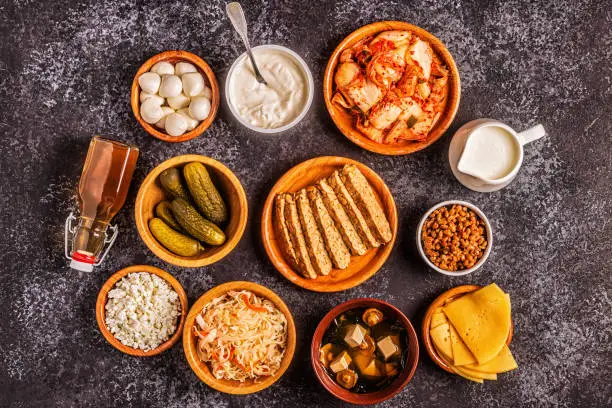
    Fermented food is the probiotics of nature dwelling microorganisms that fill and diversify your intestinal plant life.Unlike dietary supplements, which often include only a few tribes, food consisting of yogurt, kefir, kimchi, sauerkraut, miso and kombucha offer a huge range of useful micro organism along with enzymes and nutrients that improve absorption.

    A landmark inside the 2021 Stanford examination found that individuals who ate six servings of fermented meals in keeping with day for 10 weeks had elevated microbial range and reduced markers for irritation, crucial indicators of better gut and systemic health.

    Action Step: Include one to two servings of fermented foods for your daily weight loss program. Try everyday, unsweetened Greek yogurt with berries for breakfast, kimchi with lunch or a small glass of kombucha as an afternoon select-up.Pro Tip: Choose chilled, unpasteurized options  that incorporate dwelling cultures.

    Health

    3. Hydrate strategically with Gut Supportive Beverages

    Water isn’t always handiest critical for existence; it is also important for intestinal motility and the integrity of the mucosa. Dehydration can gradually lower digestion, mainly to constipation and bacterial imbalance. But hydration goes beyond plain water.

    Bone broth, wealthy in collagen and amino acids including glutamine, allows repair of the intestinal lining. Herbal tea as ginger, peppermint and chamomile soothe inflammation and reduce swelling.Even hot lemon water within the morning can stimulate digestive enzymes.Action step: Drink at the least eight glasses of water daily.Replace a sugary or caffeinated drink with bone broth or herbal tea.Notice how your digestion turns into smoother and extra efficient regularly during the first week.

    4. Reduce Sugar and Ultra Processed Foods

    Excess sugar and processed ingredients are amongst the largest disruptors of gut health.They feed dangerous micro organism and yeasts (like Candida), crowd out useful microbes, and damage the intestine barrier leading to “leaky gut,” systemic infection, and a cascade of health troubles from pimples to autoimmune flares.

    Even synthetic sweeteners like aspartame and sucralose were proven to regulate intestine microbiota negatively.The solution?Return to complete, minimally processed meals.

    Action Step: For  weeks, do away with introduced sugars, refined carbs, and packaged snacks. Read labels carefully even “healthy” granola bars can disguise hidden sugars. Replace with whole culmination, selfmade path blend, or veggie sticks with hummus. Many humans record reduced cravings and clearer pores and skin through day 7.

    5. Manage Stress Through Mind-Body Practices

    Your gut and mind are in constant verbal exchange thru the intestine brain axis a bidirectional highway linking your primary worried system and enteric anxious gadget (frequently called the “2nd brain”).Chronic strain elevates cortisol, which reduces microbial range and increases intestinal permeability.

    Conversely, calming your worried device supports a balanced microbiome.Studies show that mindfulness, deep respiration, yoga, and even laughter can undoubtedly shift intestine bacteria composition.Action Step: Dedicate 10–15 mins every day to pressure-decreasing practices.Try diaphragmatic respiration earlier than meals, a short guided meditation, or a conscious walk in nature. Not only will your gut thanks, however your sleep and temper will enhance too every other powerful fitness win.

    Health

    6. Optimize Sleep for Microbial Balance

    Sleep isn’t just restorative on your thoughts, it’s important for your microbes. Disrupted sleep patterns regulate intestine bacteria rhythms, lessen beneficial strains, and growth inflammation. Poor sleep additionally drives cravings for sugar and carbs, developing a vicious cycle.

    Aim for 7–9 hours of first-rate sleep per night time.Consistency matters: going to the mattress and waking up at the same time even on weekends helps alter your circadian rhythm, which in turn supports a strong intestine surroundings.

    Action Step: Create a chilled bedtime ordinary: dim lighting fixtures an hour earlier than mattress, keep away from monitors, sip magnesium rich natural tea, and maintain your bedroom cool and dark.Within days, you can be aware less bloating and extra electricity evidence that your gut is syncing with your sleep.

    7. Move Your Body Gently and Consistently

    Exercise isn’t only for your muscle tissues and heart, it’s an effective modulator of gut fitness.Moderate physical activity will increase microbial variety, boost SCFA production, and enhance gut motility. However, excessive or excessive exercise without adequate recovery could have the opposite effect.

    The candy spot? Daily movement that feels top: brisk strolling, swimming, biking, yoga, or dancing.

    Action Step: Commit to half-hour of moderate exercising maximum days. Take a public-meal stroll to useful resource digestion. Avoid lying down without delay after ingesting. Movement stimulates peristalsis the herbal contractions that keep things flowing and reduces fuel and soreness.

    The Two-Week Transformation: What to Expect

    By implementing these seven strategies consistently for just 14 days, you are not just trying to “try a diet”-you invest in your long-term health. Many people experience:

    Swelling and gas are reduced within 3-5 days.

    More regular, comfortable stools on day 7.

    Better energy and mental clarity on day 10.

    Better sleep and less suck after day 14.

    Remember that intestinal health is not a destination, it is a dynamic, ongoing relationship. But these two weeks can reset the baseline and set you pace for a lifetime with a healthy lifestyle.

    Final thoughts: Health starts in the gut

    In a world full of quick fixes and miracle cures, real health with the calm, powerful ecosystem starts in you.Your intestinal microbiome affects almost every aspect of your well being from immunity and hormone balance to mental health and long life.By nourishing it with real food, attentive habits and self care, you not only improve digestion you lay the foundation for vibrant, resilient health.

    So accept the challenge. Over the next 14 days, you can treat your gut as a precious ally. Eat it well, move with joy, rest deep and handle stress with compassion. The results can surprise you not just how your clothes fit or how your skin glows, but also how vibrant and energetic you feel.Because when the gut thrives, you thrive.And this is the ultimate health owner.

    Q: How quickly can I see improvements in my gut health?

    A: Many people notice reduced bloating, better digestion, and more energy within 3–7 days of dietary and lifestyle changes. Significant microbiome shifts can occur in as little as two weeks with consistent habits.

    Q: Are probiotic supplements necessary?

    A: Not for everyone. Most people can support gut health through fermented foods and fiber. Supplements may help in specific situations (e.g., post-antibiotics), but food sources offer additional nutrients and are generally preferred.

    Q: Can stress really affect my gut?

    A: Absolutely. Stress triggers the release of cortisol and other hormones that alter gut motility, reduce beneficial bacteria, and increase inflammation leading to symptoms like cramping, diarrhea, or constipation. Managing stress is a key part of gut healing.

  • Health Insurance Shock: 6 Policies That Could Leave You Broke Overnight

    Health Insurance Shock: 6 Policies That Could Leave You Broke Overnight

    Health Insurance

    Introduction

    At a time when a single medical emergency can cost tens of thousands of a thousand dollars, health insurance is no longer a luxury this is a requirement. Still, millions of people are confused that only coverage means they are preserved. Hard truth? Not all health insurance is done equal. Some plans actually come with hidden yarns, misleading conditions and scary errors that can destroy you financially despite paying prizes for years.

    It’s not just about high cuts or fellows. We are talking about politics, which is so misleading in their fine prints that they turn from a security trap to an economic time bomb. Welcome to the dark side of the health care system: Health Insurance Shock.

    Today, we highlight six dangerous types of health insurance that can eliminate your bank account overnight and what you can do to protect yourself until late.

    1. The “Bronze Bomb”: Bare-Minimum Coverage With Maximum Risk

    Many Americans choose bronze-tier fitness plans on government exchanges, lured by means of low month-to-month rates. But right here’s the catch: bronze plans usually cover the handiest 60% of clinical charges, leaving you liable for the last 40% regularly up to a remarkable $nine,000  out-of-pocket in line with the year.

    Imagine this: You suffer a sudden coronary heart assault. Hospitalization, surgery, medicinal drugs, and observation-up care rack up an invoice of $one hundred eighty,000. Your plan will pay $108,000. You’re left with $72,000 and that’s after meeting your deductible.

    These guidelines prey on budget conscious folks who don’t examine the best print. They anticipate “insurance” ways of protection. But in fact, a bronze plan without proper financial savings is like sporting a raincoat in a hurricane, beneficial in drizzle, useless in a catastrophe.

    Power Tip: Always estimate worst-case eventualities. If you can’t find the money for the 40%, bypass the bronze plan.

    Health Insurance

    2. Short Term “Junk” Insurance: The False Promise of Cheap Coverage

    Marketed as “lower priced,” brief-term health insurance plans are sold directly on-line with slogans like “Get included in minutes!” Sounds terrific until you get unwell.

    These regulations often limit three to three hundred and sixty five days, exclude pre-existing situations, cap payouts at absurdly low levels (e.G., $1 million lifetime max), and deny claims for commonplace remedies like mental health or maternity care.

    One actual case: A 32-12 months-vintage lady purchased a short-term coverage for $eighty five/month. When she became identified with early-stage most cancers, her insurer denied chemotherapy coverage, citing a “pre-existing circumstance loophole.” She faced over $250,000 in unpaid payments and no appeal technique.

    Regulators call these plans “junk coverage” for a cause. They offer the illusion of health safety at the same time as presenting nearly none.

    Red Flag: If it doesn’t follow the Affordable Care Act (ACA), it’s no longer actual health insurance.

    3. Association Health Plans (AHPs): The Wolf in Sheep’s Clothing

    Promoting small businesses and freelancers for pool resources, health plans claim to offer low premium and flexible benefits. But behind the curtain, many have suddenly fallen, irregular, and there is a danger of sudden collapse.

    In 2022, a large AHP bankruptcy went on that served 50,000 members in five states to mid-year. Thousands of people were suddenly dropped in healing. Surgery was canceled. The recipe was denied. A person passing through dialysis had to be the care of the people.

    Because AHP er does not need to follow ACA standards, they can:

    Deny coverage based on health condition

    Exclude the required benefits

    Deny renewal for no reason

    They may look like a smart health cost strategy, but they mainly play with your future.

    WARNING: Until you are ready to risk total coverage loss, continue to stick to the ACA compliance plans.

    4. Limited Benefit Health Plans: Pennies Today, Dollars Tomorrow

    Also known as “mini-maid” plans, these guidelines pay a certain amount per service $ 1000 for hospitalization or $ 500 for surgery. Looks good until you realize that the actual cost is far higher.

    Example: A limited benefit plan pays $ 2,000 for a broken bone that requires surgery. Real costs? $ 38,000. You are grateful for the difference.

    These schemes are often sold by employers trying to cut costs for low -payment workers. Employees feel that they are insured. They are not that they only delay financial waste.

    The labor department has demolished some of these schemes, but they are still present in Chhaya Bazaar. And when the disaster strikes, the policyholder stops holding the bag.

    Main insight: Fixed payment ≠ Real health protection. Always compare coverage limits for average treatment costs.

    Health Insurance

    5. Health Sharing Ministries: Faith Over Facts?

    Faith-based health sharing programs have surged in recognition, in particular amongst religious groups searching for ACA alternatives. Members “percentage” clinical expenses through monthly contributions.

    But here’s the shocker: These are not insurance. They’re voluntary price-sharing companies and not using a prison responsibility to pay claims.Worse, many deny bills for:

    Birth manage,Abortions (even in existence-threatening instances),Gender maintaining care,

    Treatments deemed “non-biblical”.

    In one case, a member’s $one hundred twenty,000 brain tumor surgical procedure turned into in part denied due to the fact he had previously used antidepressants, a contravention of “life-style suggestions.”

    When members fall sick, they frequently discover too overdue that their “network assist” vanished once they wished it maximum.Reality Check: No federal backing. No purchaser protections. High danger. Health peace of thoughts? Not assured.

    6. Outdated Employer Plans: The Silent Killer of Middle Class Security

    Many personnel count on their place of work health plan being strong. After all, the company negotiated it, right?Not usually.Legacy organization plans often function:

    Narrow networks (only a few hospitals generic)

    Sky-high out-of-network penalties

    Sudden changes in formularies (your remedy all of sudden isn’t protected)

    Take Sarah M., a teacher in Ohio. Her insurer quietly modified its network, shifting her expertise out-of-community. Her monthly infusion remedy jumped from $50 to $four,2 hundred overnight. She filed an appeal.

    Employers’ consciousness on top rate costs, no longer coverage high-quality. And HR departments do not often audit plans annually. This creates a ticking time bomb: you’re hired, insured, and utterly susceptible.Wake-Up Call: Never expect your activity-provided plan is safe. Review it each open enrollment duration.

    How to Protect Yourself: 5 Life-Saving Steps

    Now which you know the risks, here’s the way to avoid turning into the following sufferer:

    1.Read the Summary of Benefits and Coverage (SBC)

    Every ACA-compliant plan needs to offer a standardized SBC. Compare:

    Deductibles,Out-of-pocket maximums,Network hospitals,

    Prior authorization rules,If it’s perplexing, ask a broker or use a loose tool like Healthcare.Gov’s contrast function.

    2. Avoid Anything That Isn’t ACA-Compliant

    Look for those pink flags:

    No insurance for pre-existing conditions

    Exclusion of crucial fitness blessings (mental health, prescriptions, and many others.)

    Lack of country/federal oversight

    If it’s now not ACA-compliant, stroll away.

    3. Ask: “What If I Get Seriously Ill?”

    Stress-take a look at your plan. Estimate expenses for:

    Emergency surgical procedure

    Cancer remedy

    Chronic illness management

    If the numbers scare you, upgrade now no longer after prognosis.

    4. Beware of “Too Good to Be True” Premiums

    Low monthly bills often mean high danger. Remember: health is wealth. Sacrificing coverage for savings is a fake financial system.

    5. Get Independent Advice

    Consult a licensed insurance broking or nonprofit counselor. Avoid salespeople pushing commission based junk plans.

    The Bigger Picture: Why This Crisis Exists

    The U.S. Spends more on fitness than some other nation nearly $4.5 trillion annually yet ranks poorly in consequences. Why? Because our gadget rewards complexity, now not care.

    Insurance corporations make the most of ambiguity. Employers prioritize value over pleasantness. Politicians debate ideology as opposed to solving loopholes.

    And everyday humans pay the fee every so often with their life savings.Until systemic reform occurs, the load of vigilance falls on you.

    Final Warning: Don’t Wait Until Disaster Strikes

    You wouldn’t power a car without checking the brakes. You wouldn’t make investments without studying the prospectus. So why agree with your health and your budget to a coverage you haven’t scrutinized?

    The six plans uncovered right here aren’t uncommon outliers. They’re enormous, aggressively advertised, and dangerously misunderstood.

    Your health is priceless. Your financial balance is fragile. Don’t permit a chunk of paper categorized “coverage” to provide you with fake confidence.

    Take Action Today

    Before your next premium payment, try this:

    1. Pull out your modern coverage documents.

    2. Search for “exclusions,” “community,” and “out-of-pocket most.”

    3. Call customer service and ask: “If I need an emergency surgical procedure the day after today, what will I owe?”

    4. Compare your plan to ACA gold or silver alternatives in your kingdom.

    5. If doubtful, agenda a free session with an authorized utility counselor.

    Knowledge is strength. In the sector of medical health insurance, it’s also monetary armor.

    Conclusion: Wake Up Before the Bill Comes

    “Health Insurance Shock” isn’t just a catchy title. It’s an actual phenomenon affecting actual families each day. People who did the whole thing “right” paid their premiums, accompanied medical doctor’s orders, relied on the gadget simplest to stand financial disaster when they wished for help most.

    Don’t be considered one of them.

    Choose wisely. Read deeply. Advocate fiercely.Because when your health is on the road, there’s no second chance.Protect yourself. Protect your own family. And never allow a horrific policy scouse to borrow your peace or your wallet.

    1. Can my health insurance really leave me with huge medical bills even if I’m covered?

    Yes,absolutely. Even with insurance, hidden clauses like out-of-network charges, annual caps, or exclusions for “experimental” treatments can result in surprise bills worth tens of thousands of dollars. Being “insured” doesn’t always mean you’re protected.

    2. How do I know if my health insurance policy has dangerous loopholes?

    Always read the Summary of Benefits and Coverage (SBC). Look for red flags like high out-of-pocket maximums, limited specialist access, or exclusions for pre-existing conditions (in unregulated plans). When in doubt, ask your provider directly or consult an independent insurance advocate.

    3. Are there health insurance plans that actually protect against financial ruin?

    Yes. ACA compliant plans, employer sponsored group policies, and certain catastrophic plans offer stronger consumer protections, including no lifetime limits and coverage for essential health benefits. Avoid short term “mini-med” plans they often provide false security.

  • Health Surge: 6 Explosive Diet Hacks for Rapid Weight Loss Success

    Health Surge: 6 Explosive Diet Hacks for Rapid Weight Loss Success

    Health

    Introduction

    In a world where time is precious and the results are in demand tomorrow, achieving lasting weight loss can feel like a difficult struggle. But what if you can trigger healthy growth? A strong change in your body is not done by punishing the extreme diet or exercise, but by a smart, science supported dietary chopping?

    Welcome to the new wellness side: Fast, effective and assigned real health. It’s not about crashing diets or miracle tablets. This simple is about taking advantage of explosive changes, but which surpasses your metabolism, press scraping and antennas fat loss everything improves your general health from outside to the outside.

    In this Oscar qualified exposure of nutrition and vitality, we reveal six game-shifting dietary strategies that go beyond the noise. These are not just tips, they are proven strategies used by nutritionists, biohackers and elite fitness experts to create permanent changes. Whether you aim to lose 10 pounds or change your entire lifestyle, these six explosive diets will set your health in the best way.

    Hack #1: Master the Power of Protein Timing (The 30-Minute Rule)

    You’ve heard a thousand times “eat more protein”. But here’s a twist: when you eat protein, at least how much it comes to fast weight loss and metabolic activation.Set 30 minutes of protein rules: Consumption at least 25-30 grams of high quality protein within 30 minutes after waking up.

    Why does this work? After a night of fasting, your body is in a catabolic position breaking the muscles of energy. By flooding your system with protein quickly, tilt the switch from muscle degradation to fat burning. The study shows that people experiencing protein risk breakfast:

    20% more fat loss in 12 weeks

    Lack of day,Better insulin sensitivity a great marker for deck health

    Try it: Encrypt eggs with spinach and avocado, Greek yogurt with chia seeds and berries, or a plant -based protein with almond butter.

    This hack not only jumps metabolism it sets tone for a day of balanced energy, low sugar accidents and better health results.

    Health

    Hack #2: Drink Your Way Slim, The Water Loading Strategy

    Most human beings drink water after they’re thirsty. Winners drink it like a weapon.

    Introducing Water Loading: ingesting 16–20 oz of water immediately upon waking and some other glass earlier than each meal.

    Research from Obesity Journal found that members who drank 16 oz of water earlier than food misplaced 44% more weight over 12 weeks than individuals who didn’t. Why?

    Water boosts metabolism by using up to 30% for almost an hour after intake

    It fills the stomach, reducing calorie consumption at some stage in food

    Proper hydration helps liver feature, that’s important for fats metabolism

    But here’s the seasoned tip: Add a squeeze of lemon or a pinch of Himalayan salt. This enhances electrolyte stability and supports cellular health, supporting flush toxins and reducing bloating nearly immediately.

    Start your morning with a tall glass of room-temperature lemon water.Not most effective does it awaken your digestive system, but it additionally alerts your frame: Today is a day of power.

    Hydration isn’t just about quenching thirst, it’s a cornerstone of genuine health. And when used strategically, water will become one of the maximum underrated fats-loss equipment in the world.

    Hack #3: Eat Fat to Burn Fat, The Healthy Fat Flip

    Yes, you read it correctly. Eating fat helps you lose fat especially when choosing the right type.

    For decades, low fat diets dominated the weight loss scene. But science has turned the script. Healthy fat doesn’t make you fat, they make you lean, fast and healthy.

    Focus on the inclusion of these three fat-adding fat daily:

    Avocado packed with monounsaturated fat that reduces abdominal fat

    Additional virgin olive oil shown to improve heart health and reduce inflammation

    Promote Omega -3s Brain feature from Wild Grab or Flaxyds and regulate hunger hormones

    A historical study published in Lancet has shown that people on the Mediterranean diet lost weight and kept it closed longer than low fat diets.

    Here’s a kicker: Healthy fat keeps you full, stabilizes your blood sugar and supportive hormone balance. Everything is important for permanent weight loss and top health.

    Try to add half an avocado for lunch, drizzle the olive oil on a fried road, or snack on a handful of walnuts. Your waist and your cells thank you.

    Health

    Hack #4: The 12-Hour Reset, Intermittent Fasting Made Easy

    Forget fasting in 16 hours or eat a meal a day. Sweet space for fast results without burnout? 12-hour dining room.Also known as “Fixed overnight”, this method just means to complete dinner until 10 pm. 19 and do not eat again until 07:00. This is 12 hours of metabolism comfort.

    During this window, your body changes the energy from storing energy to burning the stored. Insulin levels fall, growth hormone increases, and your cells begin to autodigit the natural cleaning process associated with long life and prevention of disease.

    A 2023 study of cell metabolism found that the participants who followed a 12-hour eating window lost an average of 5.3 pounds in 8 weeks-it ate, only then changed.And the benefits go beyond weight loss:

    Improve the quality of sleep,Sharp mental focus,Better digestion,Increased cellular health.

    Start little. If you usually eat breakfast at 21, push dinner first. Carefully shrink the food window. Over the course of days you will notice low swelling, low creeps and a new feeling of control.

    This is not hunger, there is health adjustment over time.

    Hack #5: Spice Up Your Metabolism, The Capsaicin Effect

    If your food is blurry, your fat burning is.Go into capsaicin furious connection in chili chili that replaces your internal thermostat.Cayenne can increase calorie burning by 50 calories per day by consuming capsaicin-rich foods such as black pepper, jalapeños or red chili flakes. Looks small? Within a year, there are about 5 pounds of inactive fat loss.But magic doesn’t stop there. Capsaicin is shown:

    Press hunger by increasing the feelings of perfection

    Reduce intestinal fat (dangerous types around your organs)

    Circulation and improvement of heart health

    A study of the American Journal of Clinical Nutrition found that people who eat spicy food 3+ a week had a 13% less risk of premature death.So how do I use it?

    Add a bit of the Keyen in the Morning Moothie,

    Sprinkle red chili flakes on eggs, soup or stir free,

    Try hot sauce (no sugar added) as a taste booster,Spices are not just about heat-it is a gradient for a metabolic accelerator and long-term health.

    Hack #6: The Fiber Flush, Double Your Intake, Halve Your Cravings

    Most get half of the fiber for their needs. It is a disaster for weight loss and a quiet killer of health.

    Fiber is completely unknown with rapid change. It slows digestion, balances blood sugar, feeds good intestinal bacteria and literally removes toxins from your system.

    But here is the explosive part: Increasing fiber intake to 30+ grams per day can lead to a reduction in automatic calories of 250+ per day – feeling deprived.How? High fiber foods are heavy, chewy and satisfactory. They take the time to eat and have hunger in golf.

    Top fiber power plants:

    Chia seeds (10 grams per ounce),

    Dal (15 grams per cup),

    Broccoli (5 grams per cup),Raspberry (8g per cup),Oats (4g per) cup),

    The review in 2022 in nutritional reviews concluded that high fiber intake is directly associated with body weight, low inflammation and better intestinal health which controls everything from immunity to mood.

    Try this challenge: In each meal, add a high fiber food. lunch? Discard the lenses in your salad. Breakfast? Hold an apple with almond butter. dinner? Replace white rice to quinoa or barley.Over the course of days, your digestion will improve, your energy will stabilize, and your clothes fit better.

    The Ripple Effect: How These Hacks Transform Your Health

    Let’s clarify this is not just about losing weight quickly. It is so strong to create healthy growth that it changes all aspects of your life.When you also use two or three hacks of these, some are incredible: your energy sky, your skin glows, your brain becomes sharp and mood lifts. You’re not just easy, you’re easy to be.

    These strategies work because they match your biology, don’t fight it. No deficiency. There is no confusion. Only intelligent Tweex connection has extraordinary consequences.

    And the best part? They last. Unlike the mania diet that dries and defeats you, these hacks form lifetime habits that protect your health for decades.

    Last idea: Your journey begins now

    Weight loss should not be slow, painful or composed. With the right equipment you can trigger rapid changes from today.

    Remember six explosive dietshacks:

    1. Protein first: your morning fuel with 30 grams of protein

    2. Waterweight: aggressively hydrated to promote metabolism

    3. Eat good fat: burn healthy fat to bad people

    4. 12-hour reset: give time to fix and burn your body

    5. Masala it: turn on the heat on fat loss

    6. Fiber flush: exclude audience with bulk and nutrition

    Each of these is a liver. Pull one and you will see the result. Pull all six, and you will experience a healthy growth as opposed to something first.

    This is not a diet. This is a revolution.Then close this article, get up and take hold. Make your next food a protein driven work. Drink a large glass of lemon water. Add the spice. Choose fiber. Reset your rhythm.Your body is ready. Your health is waiting. Serge begins now.

    1. Are these diet hacks safe for long-term use?

    While these hacks can kickstart weight loss, some (like intermittent fasting or carb cycling) should be approached with caution. Always consult a healthcare provider before making drastic dietary changes especially if you have underlying health conditions.

    2. How quickly will I see results?

    Results vary, but many people notice changes within 2–3 weeks when combining these hacks with a calorie deficit and regular exercise. Consistency and sleep play key roles in success.

    3. Can I still eat my favorite foods?

    Yes, moderation is key. The “calorie cycling” hack allows for strategic indulgences on higher calorie days, helping prevent burnout while staying on track.

  • Health Miracle: 11 Life Saving Screenings Every Adult Over 40 Needs

    Health Miracle: 11 Life Saving Screenings Every Adult Over 40 Needs

    Health

    Introduction

    As we age, our bodies are subtle, but undergo significant changes many of which do not take into account before they appear under severe health conditions. For over 40 adults Active Healthcare is no longer optional; This is a lifeline. The truth is that early detection through regular medical screening can mean the difference between life and death. In fact, many deadly diseases such as cancer, heart disease and diabetes are highly treated when trapped in the early stages. This is not just medicine this is a health miracle waiting for it.

    In this broad guide we will drive you through 11 essential, life -saving screening, which should prefer more than 40 adults. These tests are not just a check-a-box item-they are powerful tools that allow you to control the good. And yes, while access to this screening often depends on an important factor, health insurance we will also show you how to navigate the coverage options so you have to choose between financial stability and long-term existence at any time.

    Why Age 40 Is Your Health Wake Up Call

    Turning forty marks extra than just a milestone birthday. It’s a pivotal second whilst preventive care becomes non-negotiable. Metabolism slows, hormone ranges shift, and cellular restore mechanisms start to falter. According to the CDC, continual diseases such as coronary heart disorder, stroke, type 2 diabetes, and certain cancers account for 7 out of 10 deaths amongst Americans and most of those situations expand silently for the duration of midlife.

    The proper news? You don’t want to look forward to symptoms. With everyday screenings, you can discover crimson flags years before they emerge as emergencies. Think of it as an annual tune-up in your frame. Just as you wouldn’t drive a vehicle without renovation, why threaten your maximum valuable asset, your fitness?Let’s dive into the eleven screenings that would store your life.

    1. Blood Pressure Check (Every 6–12 Months)

    High blood strain regularly referred to as the “silent killer” impacts nearly 1/2 of all U.S. Adults, and lots don’t even know they’ve it. Uncontrolled hypertension dramatically increases your risk of stroke, coronary heart attack, and kidney failure.

    Starting at age 40, get your blood strain checked at the least as soon as a year. If effects are elevated (130/eighty mm Hg or higher), your health practitioner may additionally recommend lifestyle adjustments or medicine. Many health insurance plans, which include Medicare and ACA-compliant regulations, allow this easy take a look at for gratis during annual well being visits.

    2. Cholesterol Screening (Every 4–6 Years)

    Your cholesterol level tells a powerful story about your heart health. High LDL (“bad”) cholesterol forms plaque in the arteries and causes heart disease – the main cause of death in the United States.

    A blood sample for lipid panel measures total cholesterol, HDL (“good”), LDL and triglycerides. More than 45 men and more than 55 women or some should be tested every four to six years for risk factors such as obesity, smoking or family history. Thanks to the cheap Care Act, most health insurance providers fully cover cholesterol screening as part of preventive care.

    3. Colorectal cancer screening (started at the age of 45)

    Colorectal cancer is prevented and recovered if it is detected quickly. The American Cancer Society now recommends starting screening at the age of 45, especially due to rising interest rates in young adults.

    The options include colonoscopy (every 10 years), stool-based test (annual) or CT colonography. A colonoscopy not only detects cancer, but can also remove pre -polyp before it becomes dangerous. It is one of the most powerful preventive miracles in modern medicine and yes, it is usually 100% covered by health insurance during preventive benefits.

    Health

    4. Type 2 diabetes screening (every three years)

    One of the three American adults has a preset and 80% don’t know. To the left it continues with fully developed diabetes, increasing the risk of nerve damage, blindness and dissection.

    If you are overweight or have high blood pressure, you can ask your doctor for a fasting blood sugar or HbA1c test every three years. Early intervention through diet, exercise and medicines can reverse presets. Most insurance plans, including Medicaid and private carriers, cover screening of diabetes without Coop.

    5. Mammogram (Women: Every 1–2 Years Starting at 40)

    For women, the mammogram is the cornerstone of cancer prevention. Breast cancer is the second main cause of cancer death in women, but the survival rate when it is early trapped is more than 90%.

    U.S. The Preventive Services Task Force has recommended two year mammograms starting at the age of 40. While there is some debate on frequency, unanimously unanimously to individual plans is based on family history and density. Almost all health insurance policies, including employer proposed and marketing plans, cover mammograms with zero package costs.

    6. Pap Smear & HPV testing (every 3-5 years)

    Cervical cancer was once a top killer of women but thanks to the Pap Smear and HPV test, it can now be prevented to a great extent. These tests detect abnormal cells before they turn into cancer.Women aged 30-65 should either get:

    A pap butter every three years,

    An HPV test every 5 years, or

    Co-testing (both) every 5 years.

    These views are regularly covered by health insurance, even in low income schemes. Don’t leave them even if you feel completely healthy.

    7. Prostate Cancer Screening (Men: Discuss at Age 40–50)

    Prostate most cancers are the second most common cancer in men. While screening tips vary, men should speak PSA (prostate-specific antigen) checking out with their doctors starting at age 40 especially in the event that they’re Black or have a circle of relatives history.

    Though arguable due to ability overdiagnosis, PSA checking out remains an essential tool whilst used accurately. Shared decision-making with your physician ensures you apprehend dangers and blessings. Most insurance companies cowl PSA checks underneath preventive services, making early detection available.

    8. Bone Density Scan (Women: Age sixty five ; Men: 70  or Earlier with Risk Factors)

    Osteoporosis affects over 10 million Americans, mainly to fragile bones and devastating fractures. Women are particularly vulnerable after menopause due to declining estrogen.

    A DEXA test measures bone mineral density and allows assessing fracture risk. Women need to get tested at 65; men at 70 or in advance in case you’ve had fractures, steroid use, or low frame weight. Many Medicare Advantage and private health insurance plans cover bone density scans each two years for eligible sufferers.

    Health

    9. Abdominal Aortic Aneurysm (AAA) Screening (Men: One-Time at Age sixty five)

    A belly aortic aneurysm is a bulge within the main artery jogging thru your stomach. If it ruptures, it’s fatal in eighty% of cases. But here’s the miracle: a one time ultrasound screening at age 65 for guys who’ve ever smoked can capture it early.

    This quick, painless take a look at is fully covered by using Medicare and maximum coverage plans. It’s a perfect instance of the way a 5-minute experiment can add decades to your lifestyles.

    10. Vision and Glaucoma Screening (Every 1-2 Years After 40)

    After forty, imaginative and prescient changes boost up. Cataracts, macular degeneration, and glaucoma grow to be real threats particularly seeing that glaucoma frequently has no signs until irreversible vision loss happens.

    Annual eye tests can detect issues early. Diabetics and African Americans are at better risk and have to be screened extra regularly. While routine imaginative and prescient care may additionally require a separate plan, diagnostic tests for conditions like glaucoma are usually protected under clinical medical health insurance.

    11. Mental Health and Depression Screening (Annually)

    Mental health is just as critical as bodily fitness. Yet, depression, anxiety, and cognitive decline are too often not noted in midlife. Suicide charges among center-elderly adults have risen sharply in current years.

    The U.S.PSTF recommends annual despair screening for all adults, particularly people with continual contamination or life stressors. Cognitive checks can also assist in becoming aware of early signs of dementia. Thanks to intellectual fitness parity legal guidelines, most medical insurance plans now cover remedy, counseling, and psychiatric critiques with minimum copays.

    How Health Insurance Makes Prevention Possible

    If you can’t tolerate them, none of these lifeguards. This is where health insurance becomes your largest allies.According to Affordable Care Act (ACA), all marketplaces and Medicaid schemes should cover the preventive services approved by the FDA-which includes each test listed over-no. Extra cost for yogi. Employer affected schemes follow the same rules. Even Medicare part B contains most of the screening, which costs no out-off pocket.

    But there are holes. Some schemes may require reference, boundary supplier networks or delay approval. To maximize your coverage:

    1. Review the summary of annual benefits.

    2. Plan your annual wellness visit. It is free and unlocks many views.

    3. Ask your supplier if a test is considered a preventive (and therefore covered).

    4. The appeal denied claims – the charges sometimes make mistakes.

    If you are without a license, do not give up. Community Health Centers, State Programs and non -profit organizations offer low costs or free screening. Sites like Healthcare.gov can help you compare your health insurance options or qualify for grants under open registration.

    The Ripple Effect of Early Detection

    Imagine holding a pea shape before spreading a tumor. Or reverses predators before insulin addiction begins. These are not fantasies; they are made possible by continuous, intelligent screening.

    When you invest in preventive care, you do more than your defense. You reduce stress on families, reduce long -term medical costs and motivate loved ones to follow. A father receiving a colonoscopy encourages the son to do so too. A woman who avoids breast cancer because of a regular mammogram becomes a lighthouse of hope.This is the true meaning of a health miracle not a magical treatment, but the quiet power of knowledge, time and access.

    Take Action Today: Your Body Will Thank You Tomorrow

    You do not need a diagnosis to start the health care system. In fact, all the best time is to work before things go wrong.Here’s your action plan:

    1. Call your doctor and plan your next wellness exam.

    2. Ask for 11 screening suitable for your age and penis.

    3. Check the coverage of your health insurance provider.

    4. Include a list of questions – don’t be afraid to go for yourself.

    5. Encourage friends and family to do so.

    Remember: MOT is not the absence of fear – it is nevertheless visible. Shows for your body. For your future. For those who are addicted to you.

    Because aging does not mean a decrease. With proper screening, supported by strong health insurance, you can grow well in the 50, 60s and beyond.The miracle is not in avoiding death it is to embrace life, complete, vibrant form and with intentions.Start today. Your health journey is nothing less.

    Q: Why are health screenings especially important after age 40?

    A: After 40, the risk of chronic diseases like heart disease, cancer, and diabetes increases significantly. Regular health screenings can detect these conditions early often before symptoms appear leading to more effective treatment and a greater chance of recovery. Early detection is a true health miracle, saving lives and preserving quality of life.

    Q: Are these screenings covered by health insurance?

    A: Most preventive screenings including blood pressure checks, cholesterol tests, colonoscopies, and mammograms are fully covered under the Affordable Care Act at no cost to you when performed in network. Always verify coverage with your health insurance provider, but don’t let cost concerns stop you from getting tested.

    Q: How often should adults over 40 get screened?

    A: Frequency depends on the screening and individual risk factors. For example, blood pressure should be checked annually, cholesterol every 4–6 years (or more often if high), and colon cancer screening starting at 45 every 10 years (or 1–3 years for high risk individuals). Consult your doctor to create a personalized prevention plan.

  • Health Failure: 5 Disastrous Diet Myths Still Hurting American Families

    Health Failure: 5 Disastrous Diet Myths Still Hurting American Families

    Health

    Introduction

    At a time when the information flows faster than before, it will be assumed that the average American family is far better able to make smart, scientific decisions on nutrition and welfare. Still, despite research and public health campaigns, millions of people are trapped in a network of misinformation that not only reduces their physical goodness, but also enormous stress on their emotional and economic lives. The truth is that health failure is not always due to access or lack of laziness; it is often contained in deep condensed myths, especially when it comes to diet.

    These myths not only mislead; They hurt. They vandalize weight loss efforts, promote chronic illness and skyrocketing costs. And when the habits of poor diet become generational patterns, the whole family suffers not just physically, but emotionally and financially. In fact, these misconceptions can indirectly affect health insurance, increase the premiums, limit coverage options and make quality care ineffective for many people.Let’s still destroy American homes five disastrous dietary myths still exist except that getting rid of them can be the key to regaining the family’s real health.

    Myth #1: “Low-Fat Means Healthy”, The Great Fat Deception

    For a long time, Americans had been sold a risky lie: fat is the enemy. From the 1980s onward, meals manufacturers flooded supermarket cabinets with “low-fat” and “fat-loose” products, promising guilt-free indulgence and speedy weight loss. Yogurts, cookies, crackers, and even frozen food proudly displayed the label “ninety seven% fats-loose!” But what customers didn’t realise turned into this: while fats became removed, sugar and artificial substances have been added in big quantities to compensate for taste.

    The result? A surge in obesity, kind 2 diabetes, and metabolic syndrome all while human beings believed they had been consuming “healthful.”

    Real fitness isn’t determined in fat avoidance it’s located in fat discrimination.Healthy fats from avocados, nuts, olive oil, and fatty fish are vital for brain characteristics, hormone regulation, and lengthy-time period satiety. By demonizing all fat, families unknowingly traded nutrient-dense food for empty, processed options.

    This delusion doesn’t simply have an effect on waistlines; it affects medical health insurance outcomes. Individuals with food plan-related situations like insulin resistance or cardiovascular troubles regularly face higher premiums or exclusions in coverage. Preventable illnesses as a result of misinformation end up lifelong financial burdens.It’s time to prevent fearing fats and begin fearing faux meals.

    Health

    Myth #2: “All Calories Are Equal”, The Oversimplification That Backfires

    “As long as you can live within your calorie area, you can eat anything.” Sounds familiar? This over-clothed mantra has converted dietary culture into a numbers game where a candy and a quinoa bowl is considered equal to nutrition if they divide the same calorie numbers.

    But here is the truth: Not all calories are done equal. The 200 calorie snack package with chips spikes blood sugar, triggers inflammation and gives zero micronutrients. Meanwhile, 200-calorie meals support the food metabolism of grilled salmon, broccoli and sweet fuel metabolism, intestinal health and hunger in the bay for hours.

    When families work under the false belief that calories determine health alone, they prefer convenience over quality. Treated food winner. The whole food is lost. And over time, it leads to malnutrition in the middle of abundance – a condition known as “hidden hunger”.

    Children raised on this model may look healthy on the surface, but suffer from deficiencies in iron, vitamin D, omega -3s and fiber -meaningful nutrition for cognitive growth and immunosphere. These deficiencies are often uncontrolled until severe symptoms occur, increasing the dependence on emergency trips, specialist references and health care.

    And then health insurance feels the wave effect. More claims, more tips, more chronic management the costs of all insurance companies and insurance makers provide the same costs.Real health does not begin with the number of calories, but with a quality calorie choice such as nutrition, healed and protected.

    Myth #3: “Carbs Are the Enemy”, The Pendulum Swings Too Far

    If fat was the villain of the ’90s, carbs became the scapegoat of the 2000s.Fueled by way of state-of-the-art low-carb and ketogenic diets, hundreds of thousands deserted bread, rice, and fruit in pursuit of fast weight reduction. While some individuals benefit from decreased carbohydrate consumption in particular people with insulin resistance the wholesale rejection of carbs has harmed greater families than it’s helped.

    Not all carbohydrates are created identical. Refined carbs like white bread, sugary cereals, and pastries are certainly difficult. But complicated carbohydrates observed in oats, beans, brown rice, and entire grains are important assets of strength, fiber, and B vitamins.

    By lumping all carbs together, parents can also deprive growing kids of the sustained power wished for school, sports activities, and brain development. Teens on intense low carb diets threaten hormonal imbalances and nutrient deficiencies. And adults may enjoy fatigue, constipation, and mood swings all avoidable results of an unnecessarily restrictive method.

    Moreover, fad diets often lead to yoyo weight biking, which research shows increases lengthy-time period fitness risks together with coronary heart disorder and metabolic slowdown. These situations don’t simply reduce exceptional lifestyles, they increase medical claims, hospitalizations, and reliance on medical insurance networks.

    Balance, no longer elimination, is the hallmark of sustainable fitness. Carbohydrates aren’t the enemy processed carbohydrates are.

    Health

    Myth #4: “Supplements Can Replace Real Food”, The Pill-Popping Trap

    In our fast -paced world, convenience often wins. Enter the additional industry, a market of $ 50 billion built on the promise that you can “customize” your health with a handful of bullets. From multivitamins to protein powder to “miracle” fat burners, supplements are marketed as a shortcut for well being.

    But no pills can repeat the continuous power of the entire food. An orange not only contains vitamin C – it contains bioflavonoids, fiber and antioxidants that work together to promote immunity. An ownership interest not only provides protein, but also iron, zinc and B12 in highly utilizing forms.

    When families rely on supplementary diets instead of improving their actual foods, they remember the entire spectrum of nutrient nature. Worse, some supplements are poorly regulated and can be hidden allergies, stimulants or contaminants. The FDA pre-nominal dietary supplement, which means that consumers often gamble with their health.

    Unnecessary supplemented children may experience digestive problems or toxicity. Without medical supervision, high dose vitamins that take vitamins without liver damage to adults or nutrients. These complications often require doctors’ seizures, laboratory tests and sometimes hospitalization. Everyone treats themselves in stress in both individual and health insurance system.Real health comes from real food.Grants should completely complement not replace a nutritious diet.

    Myth #5: “Kids Will Outgrow Poor Eating Habits”, The Dangerous Delay

    Perhaps the most insidious myth of all is the belief that junk food stages are harmless and that children will naturally “get out of it” and use healthy habits as adults.Nothing can be further from the truth.

    Research suggests that diet patterns installed before the age of 10 remain in adulthood. A child raised on sugar grains, fast food and soft drinks is more likely to struggle with obesity, diabetes and heart disease later in life. Their taste on onions are suitable for hyperplatable, processed foods, making the whole food “dull” or “rough”.

    But the loss is not just physical. Poor nutrition affects mental health, attention and behavior. Studies provide a high diet in Chinese and trans fat to increase the risk of ADHD, anxiety and depression in children. Schools report several behavioral problems in students with poor diet problems that emphasize educational resources and family mobility.

    And here where health insurance becomes seriously important. Families with children suffering from dietary conditions often face holes in high CO-paid, limited specialist access and coverage of mental health. Preventive nutrition consultation is rarely covered, while treatment for chronic illness is completely invoiced.

    Imagine that instead of waiting for the development of the disease, families received support before the crisis if pediatricians prescribed nutritional training covered during cooking courses, grocery visits or health insurance schemes. Prevention will save billions and countless lives.

    Breaking the Cycle: How to Protect Your Family’s Health and Finances

    Good news? It was never late to change. Each food is a new opportunity to rewrite the health history of your family.Start by educating yourself-not through common sources such as evidence-based guidelines such as registered dietists, pediatricians and organizations such as the Academy of Nutrition and Dietetics, not through a conscious media effect or celebrity diet.

    Then include your children. Help them plan food, shop for groceries and cook at home. It is more likely that children who eat food or prepare food, eat vegetables and appreciate balanced nutrition.

    Finally, you advocate better health insurance. Supported law covering preventive nutrition services, extends access to dietists and encourages healthy behavior. Your prize should not be punished for you for previous incorrect information; it will strengthen you against a healthy future.

    The five myths are mentioned here: less fat passion, calorie confusion, carbing, supplementary addiction and delayed intervention-free faith. They are systemic errors that have contributed to the national health crisis. But consciousness is the first step toward treatment.

    Real health is not about the extreme. It’s not about banning food groups or chasing viral trends.. It is about balance, diversity and stability. It is about teaching children that food is fuel, medicine and joy not enemies.

    And it’s about recognizing that every diet alternative goes beyond our body, our families, our health care system and our bag. When we choose real food, we reduce our dependence on doctors, medicines and expensive health insurance requirements.

    Let it be the generation that breaks the cycle. Let’s replace the myth of truth, fear with knowledge and failure with change. Because when it comes to health, the stakes couldn’t be higher and the power to change has always been on our plates.

    Your fork is mightier than you think. Use it wisely.

    Q: What is one of the most harmful diet myths affecting families today?

    A: One of the most damaging myths is that “all fats are bad.” In reality, healthy fats from sources like avocados, nuts, and olive oil are essential for brain development, hormone balance, and long term heart health cutting them out can lead to nutrient deficiencies and increased cravings.

    Q: Can believing diet myths really impact my family’s health insurance costs?

    A: Yes. Following misleading diet trends can lead to poor nutrition, weight gain, and chronic conditions like diabetes or heart disease resulting in more doctor visits, medications, and higher health insurance premiums over time.

    Q: How can families avoid falling for dangerous diet myths?

    A: Stick to science based advice from registered dietitians and trusted medical sources. Focus on balanced meals with whole foods, limit processed “diet” products, and teach children early that sustainable eating not quick fixes leads to real health success.