
Introduction
At a time when the information flows faster than before, it will be assumed that the average American family is far better able to make smart, scientific decisions on nutrition and welfare. Still, despite research and public health campaigns, millions of people are trapped in a network of misinformation that not only reduces their physical goodness, but also enormous stress on their emotional and economic lives. The truth is that health failure is not always due to access or lack of laziness; it is often contained in deep condensed myths, especially when it comes to diet.
These myths not only mislead; They hurt. They vandalize weight loss efforts, promote chronic illness and skyrocketing costs. And when the habits of poor diet become generational patterns, the whole family suffers not just physically, but emotionally and financially. In fact, these misconceptions can indirectly affect health insurance, increase the premiums, limit coverage options and make quality care ineffective for many people.Let’s still destroy American homes five disastrous dietary myths still exist except that getting rid of them can be the key to regaining the family’s real health.
Table of Contents
Myth #1: “Low-Fat Means Healthy”, The Great Fat Deception
For a long time, Americans had been sold a risky lie: fat is the enemy. From the 1980s onward, meals manufacturers flooded supermarket cabinets with “low-fat” and “fat-loose” products, promising guilt-free indulgence and speedy weight loss. Yogurts, cookies, crackers, and even frozen food proudly displayed the label “ninety seven% fats-loose!” But what customers didn’t realise turned into this: while fats became removed, sugar and artificial substances have been added in big quantities to compensate for taste.
The result? A surge in obesity, kind 2 diabetes, and metabolic syndrome all while human beings believed they had been consuming “healthful.”
Real fitness isn’t determined in fat avoidance it’s located in fat discrimination.Healthy fats from avocados, nuts, olive oil, and fatty fish are vital for brain characteristics, hormone regulation, and lengthy-time period satiety. By demonizing all fat, families unknowingly traded nutrient-dense food for empty, processed options.
This delusion doesn’t simply have an effect on waistlines; it affects medical health insurance outcomes. Individuals with food plan-related situations like insulin resistance or cardiovascular troubles regularly face higher premiums or exclusions in coverage. Preventable illnesses as a result of misinformation end up lifelong financial burdens.It’s time to prevent fearing fats and begin fearing faux meals.

Myth #2: “All Calories Are Equal”, The Oversimplification That Backfires
“As long as you can live within your calorie area, you can eat anything.” Sounds familiar? This over-clothed mantra has converted dietary culture into a numbers game where a candy and a quinoa bowl is considered equal to nutrition if they divide the same calorie numbers.
But here is the truth: Not all calories are done equal. The 200 calorie snack package with chips spikes blood sugar, triggers inflammation and gives zero micronutrients. Meanwhile, 200-calorie meals support the food metabolism of grilled salmon, broccoli and sweet fuel metabolism, intestinal health and hunger in the bay for hours.
When families work under the false belief that calories determine health alone, they prefer convenience over quality. Treated food winner. The whole food is lost. And over time, it leads to malnutrition in the middle of abundance – a condition known as “hidden hunger”.
Children raised on this model may look healthy on the surface, but suffer from deficiencies in iron, vitamin D, omega -3s and fiber -meaningful nutrition for cognitive growth and immunosphere. These deficiencies are often uncontrolled until severe symptoms occur, increasing the dependence on emergency trips, specialist references and health care.
And then health insurance feels the wave effect. More claims, more tips, more chronic management the costs of all insurance companies and insurance makers provide the same costs.Real health does not begin with the number of calories, but with a quality calorie choice such as nutrition, healed and protected.
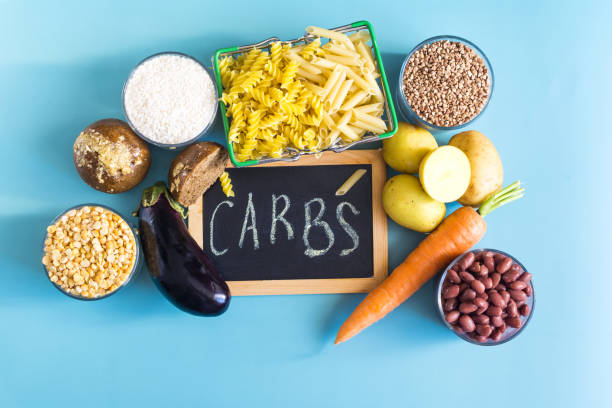
Myth #3: “Carbs Are the Enemy”, The Pendulum Swings Too Far
If fat was the villain of the ’90s, carbs became the scapegoat of the 2000s.Fueled by way of state-of-the-art low-carb and ketogenic diets, hundreds of thousands deserted bread, rice, and fruit in pursuit of fast weight reduction. While some individuals benefit from decreased carbohydrate consumption in particular people with insulin resistance the wholesale rejection of carbs has harmed greater families than it’s helped.
Not all carbohydrates are created identical. Refined carbs like white bread, sugary cereals, and pastries are certainly difficult. But complicated carbohydrates observed in oats, beans, brown rice, and entire grains are important assets of strength, fiber, and B vitamins.
By lumping all carbs together, parents can also deprive growing kids of the sustained power wished for school, sports activities, and brain development. Teens on intense low carb diets threaten hormonal imbalances and nutrient deficiencies. And adults may enjoy fatigue, constipation, and mood swings all avoidable results of an unnecessarily restrictive method.
Moreover, fad diets often lead to yoyo weight biking, which research shows increases lengthy-time period fitness risks together with coronary heart disorder and metabolic slowdown. These situations don’t simply reduce exceptional lifestyles, they increase medical claims, hospitalizations, and reliance on medical insurance networks.
Balance, no longer elimination, is the hallmark of sustainable fitness. Carbohydrates aren’t the enemy processed carbohydrates are.
Myth #4: “Supplements Can Replace Real Food”, The Pill-Popping Trap
In our fast -paced world, convenience often wins. Enter the additional industry, a market of $ 50 billion built on the promise that you can “customize” your health with a handful of bullets. From multivitamins to protein powder to “miracle” fat burners, supplements are marketed as a shortcut for well being.
But no pills can repeat the continuous power of the entire food. An orange not only contains vitamin C – it contains bioflavonoids, fiber and antioxidants that work together to promote immunity. An ownership interest not only provides protein, but also iron, zinc and B12 in highly utilizing forms.
When families rely on supplementary diets instead of improving their actual foods, they remember the entire spectrum of nutrient nature. Worse, some supplements are poorly regulated and can be hidden allergies, stimulants or contaminants. The FDA pre-nominal dietary supplement, which means that consumers often gamble with their health.
Unnecessary supplemented children may experience digestive problems or toxicity. Without medical supervision, high dose vitamins that take vitamins without liver damage to adults or nutrients. These complications often require doctors’ seizures, laboratory tests and sometimes hospitalization. Everyone treats themselves in stress in both individual and health insurance system.Real health comes from real food.Grants should completely complement not replace a nutritious diet.
Myth #5: “Kids Will Outgrow Poor Eating Habits”, The Dangerous Delay
Perhaps the most insidious myth of all is the belief that junk food stages are harmless and that children will naturally “get out of it” and use healthy habits as adults.Nothing can be further from the truth.
Research suggests that diet patterns installed before the age of 10 remain in adulthood. A child raised on sugar grains, fast food and soft drinks is more likely to struggle with obesity, diabetes and heart disease later in life. Their taste on onions are suitable for hyperplatable, processed foods, making the whole food “dull” or “rough”.
But the loss is not just physical. Poor nutrition affects mental health, attention and behavior. Studies provide a high diet in Chinese and trans fat to increase the risk of ADHD, anxiety and depression in children. Schools report several behavioral problems in students with poor diet problems that emphasize educational resources and family mobility.
And here where health insurance becomes seriously important. Families with children suffering from dietary conditions often face holes in high CO-paid, limited specialist access and coverage of mental health. Preventive nutrition consultation is rarely covered, while treatment for chronic illness is completely invoiced.
Imagine that instead of waiting for the development of the disease, families received support before the crisis if pediatricians prescribed nutritional training covered during cooking courses, grocery visits or health insurance schemes. Prevention will save billions and countless lives.
Breaking the Cycle: How to Protect Your Family’s Health and Finances
Good news? It was never late to change. Each food is a new opportunity to rewrite the health history of your family.Start by educating yourself-not through common sources such as evidence-based guidelines such as registered dietists, pediatricians and organizations such as the Academy of Nutrition and Dietetics, not through a conscious media effect or celebrity diet.
Then include your children. Help them plan food, shop for groceries and cook at home. It is more likely that children who eat food or prepare food, eat vegetables and appreciate balanced nutrition.
Finally, you advocate better health insurance. Supported law covering preventive nutrition services, extends access to dietists and encourages healthy behavior. Your prize should not be punished for you for previous incorrect information; it will strengthen you against a healthy future.
Conclusions: Truth about trends, health on publicity
The five myths are mentioned here: less fat passion, calorie confusion, carbing, supplementary addiction and delayed intervention-free faith. They are systemic errors that have contributed to the national health crisis. But consciousness is the first step toward treatment.
Real health is not about the extreme. It’s not about banning food groups or chasing viral trends.. It is about balance, diversity and stability. It is about teaching children that food is fuel, medicine and joy not enemies.
And it’s about recognizing that every diet alternative goes beyond our body, our families, our health care system and our bag. When we choose real food, we reduce our dependence on doctors, medicines and expensive health insurance requirements.
Let it be the generation that breaks the cycle. Let’s replace the myth of truth, fear with knowledge and failure with change. Because when it comes to health, the stakes couldn’t be higher and the power to change has always been on our plates.
Your fork is mightier than you think. Use it wisely.
Q: What is one of the most harmful diet myths affecting families today?
A: One of the most damaging myths is that “all fats are bad.” In reality, healthy fats from sources like avocados, nuts, and olive oil are essential for brain development, hormone balance, and long term heart health cutting them out can lead to nutrient deficiencies and increased cravings.
Q: Can believing diet myths really impact my family’s health insurance costs?
A: Yes. Following misleading diet trends can lead to poor nutrition, weight gain, and chronic conditions like diabetes or heart disease resulting in more doctor visits, medications, and higher health insurance premiums over time.
Q: How can families avoid falling for dangerous diet myths?
A: Stick to science based advice from registered dietitians and trusted medical sources. Focus on balanced meals with whole foods, limit processed “diet” products, and teach children early that sustainable eating not quick fixes leads to real health success.
Leave a Reply